Hi guys, I made a guide on how to be a registered freelancer in the Philippines like me. Hopefully this is clear enough to help anyone interested.
To be honest, I'm not yet sure how much the pros and cons weight in the long term by doing this. I know most people will say that you can get away without ever registering but if this is something that you plan to do in the long term, and you're not employed in any full-time job, then being legit will definitely help you out.
PROS:
- You'll be a law abiding citizen.
- You have proof that you are earning money. This proof can be used for things like getting a credit card, a phone line, a car or housing loan in the future, etc.
- You actually have official receipts enabling you to get big clients without worry.
- You are in control of how much you earn, spend, and declare.
CONS:
- You will do all the paper work on your own.
- You need to pay percentage tax once a month, income taxes 4 times a year, and a registration fee once a year.
- You need to give out receipts to your customers and maintain books of accounts.
The cons aren't really that bad. You only need a few hours per month to organize and pay things and that's it. Below are the steps on how to get registered assuming you already have a TIN number.
Important Terms
RDO - Regional District Office
RDOs only handle people's taxes in their specified areas so for example you previously worked at Quezon but started freelancing in Makati, you need to go to the RDO in Quezon and get them to change your RDO to Makati. They will take around 5 days to transfer your papers and information to the other RDO.
Form 0605 - Payment Form
You will use this form to pay for the annual registration fee of Php500.00. Make sure to photocopy this form at least 4 times since it will be attached on other forms.
Form 1905 - Application for Registration Information Update/Correction/Cancellation
This form is used to update information/ change status, change RDO, etc
Form 1901 - Application for Registration
Only fill up the information you know. As a freelance artist you just need to indicate that you are a professional engaging in freelance illustration services as well as the 3 taxes you need to pay:
- Registration Fee
- Income Tax
- Percentage Tax
There are other taxes that can be listed for you but it is recommended not to have these:
- Witholding Tax - if you are renting an office or apartment. (NOT RECOMMENDED)
- VAT - only if you earn around 2million a year.
STEP 1: Confirm or change your RDO
- You need to have a TIN number first. Not sure how to do this since I got mine when I got my first job.
- Go to nearest BIR to check if your RDO correctly matches your home address since you are engaging in freelance at home.
- If it is not correct, get the form 1905 go to the old RDO and submit form 1905 to change to your new RDO and wait around 1 week of processing. (if you have a fax machine, try to ask if you can fax it instead of going to the old RDO since it can be inconvenient.)
- While doing this, it is recommended that you also fill up the form 1901 so you can ask and double check future requirements needed.
STEP 2: Registration Requirements
MAIN Requirements for 1901 (Registration for professional)
- Paid Form 0605
- Barangay clearance
Requirements of 0605
- 3x xerox of form 0605
- 500 pesos registration fee - pay it at a bank that serves your RDO
Requirements for barangay clearance
- xerox of valid ID (postal ID is easiest to obtain if you don't have a work ID)
- xerox of voters receipt (you can use your postal ID to get this too)
*It is recommended that you DO NOT tell BIR that you are renting in an apartment if you are. This is because they will assign a new tax type to you (widtholding tax) that will involve the owner of the apartment. For example, if you pay 9,000 per month on rent, you will need to tell the apartment owner that you cannot pay the full amount anymore because you are forced to withold a certain amount from them BIR. If the apartment owner doesn't pay taxes correctly or if they don't want you engaging in business within their place, you might be kicked out if they find out. The way is to register a permanent address owned by a family member or friend that is near where you live.
STEP 3: COR, Seminar, and additional requirements
- Once your forms have been accepted, you must now attend a seminar to determine taxes needed to be paid by freelance artists.
- 3% percent tax (Form 2251M)
- annual 500 registration ( Form 0605)
- income tax (Form 1701)
- if renting an office, widtholding tax
- Pay Php 15.00 for the stamp on the COR just wait and get it signed by different people.
- Get your COR. This is your proof that you are officially registered now.
- Get a printer( to print receipts) from BIR and fill up form 1906
- The minimum cost at BIR is Php 1000.00 for 10 stacks of the receipts. If you want to save money, it will be better to find a different printer service but I can't guarantee finding a cheaper one. The receipts last for 5 years I believe.
- Buy two ledgers from national bookstore need 10 - 12 columns (around P220 each)
- Fill up the form 1905 again but this time for the ledgers. Bring the ff:
- Xerox of form 0605
- Xerox of COR
- stamp the ledgers (ask the guard how to stamp it)
STEP 4: Now you are officially registered!
- Get the Receipts when it is available and get the "Ask for Receipt Signboard" at the same time.
- Download eBIRForms from the website.
* Technically, each step can be done within one day so you only need at least 4 working days to register yourself as a professional freelancer.
STEP 5: Setup
- Display the Ask for receipt notices and COR on your wall where you work.
- Buy carbon copy paper and fill up the receipt whenever you get paid. (Make sure the carbon copy paper will transfer to your copy of the receipt)
- Give your client the receipt for each payment received.
- Write down the proper information in your ledgers for each sale or expense (if you want to use itemized deductions).
STEP 6: BIR filing of payment for 0605 and 2551M

- Open the eBIRForms software, fill it up, and make sure the information is the same as your COR.
- Select the form you need. (it is recommended that you do this step for the first time inside the BIR office so you can ask someone to help you.)
- Once inside the form page, select ATC and click the correct category. (PT010 for form 2551M, MC180 for form 0605)
- Press Validate
- Press Save to save a local copy.
- Print 3 copies.
- Press Final Copy to submit to BIR. Click cancel if it asks if you are a member online
- Click Agree to terms then you should receive an email of the proof of the transaction.
- Print 3 copies of the emails too and attach them to the 3 printed copies of the form
- Go to the nearest RDO bank and pay for it and you are done for the month!
STEP 7: ITR filing
- This step is still under construction but it is similar to step 6 only with additional computations and tips. I'll continue to update this as I understood this process better.
- You have to choose between using Itemized deduction or the Optional 40% deduction.
- These deductions can reduce the income tax you need to pay. For freelance artists, it is usually better to choose the optional standard 40% deduction unless you spend more than 40% your income on business related expenses. Personally, I don't spend that much on business related expenses since most business spending I have are only for maintaining the business such as internet, electricity, occasional computer repair/upgrades. Unfortunately we cannot deduct expenses such as food, personal insurance. There is also certain limits to some deductibles. You can read more about them here.
- If you still plan to use the itemized deduction method, be prepared to have all the proof(receipts, etc.) of your purchases all logged in your Cash Disbursement book.
- Quarterly ITRs are very easy to file if you use the optional 40% deductions.
- For more information on filing the last ITR which accounts for the whole year, please check others sites for now since I am not yet familiar on the steps regarding it since it will be more complex due to the personal exemption deduction.
STEP 8: Books of accounts/ledgers
- Basically you need to record your professional expenses(cash disbursement) and Sales(cash receipts) in these columnar books.
- You can buy these books in any bookstore and they come in lots of columns. Personally, I'm not a specialist in this area but the only important thing to do is to make sure to note down important details such as Date, Invoice number, Merchant or Client (for Sales Book), Transaction, and Amount.
- The purpose of these books is simply to compile all transactions.
- If you do not plan to use the itemized deduction method for the ITR, then you don't really need to fill up the Cash Disbursement Book.
DEADLINES
- Annual Registration - (0605) - Due on or before January 31
- 3% Percentage Tax Returns (2551M) - Due on the 20th of the next month of the period covered. Ex. For the payment of March, the deadline will be on April 20
- Income Tax Returns - (1701Q and 1701):
- 1st Qtr due on April 15
- 2nd Qtr due on August 15
- 3rd Qtr due on November 15
- Final Return due on April 15 the following year
FAQ
Now that I'm registered, do I still need to go back to BIR everytime?
- No, you don't need to go to BIR anymore. Just make sure to pay on time using eBIRForms and pay to your nearest RDO bank or online using GCash.
How will BIR know how much I earned for the month?
- They won't since it is mostly an honesty based system. You should be good so long as you keep a clean record and file the necessary documents on time always.
What will I do if I did not earn anything for a month?
- Continue to file using eBIRForms like normal but make sure you indicate that your earning is 0. Not filing anything online will result in your account getting an open case. This is automatically generated by the system.
How will I know if the payment worked?
- You need to check if you received an email of confirmation from eBIRForms for each filing. This email will let you know that your filing online worked. Just make sure you actually pay before the deadline what you filed.
- The best way to check is just go to BIR and ask if you have any open cases. Each penalty is worth at least Php 1,000.00 so make sure you remember your deadlines.
How to fill receipt if the client is foreign?
- Just fill whatever info you get and convert the dollar amount to peso on the day you received it.
For the ITR, Is the personal exemption deductible?
- Yes but you can only deduct it on the final ITR on the year. If it turns out that BIR owes you money after this, then you can use that extra credits to reduce your taxes next year.
I'm still new to all of this and it is not yet that detailed and complete but I hope this guide will help make things easier. For more details, there is always the official website. I will still update this soon once I'm able to pass through the ITR process next.
Thanks for reading! Here are some additional guides that might help:
Full Suite - The Ultimate Guide to BIR Forms

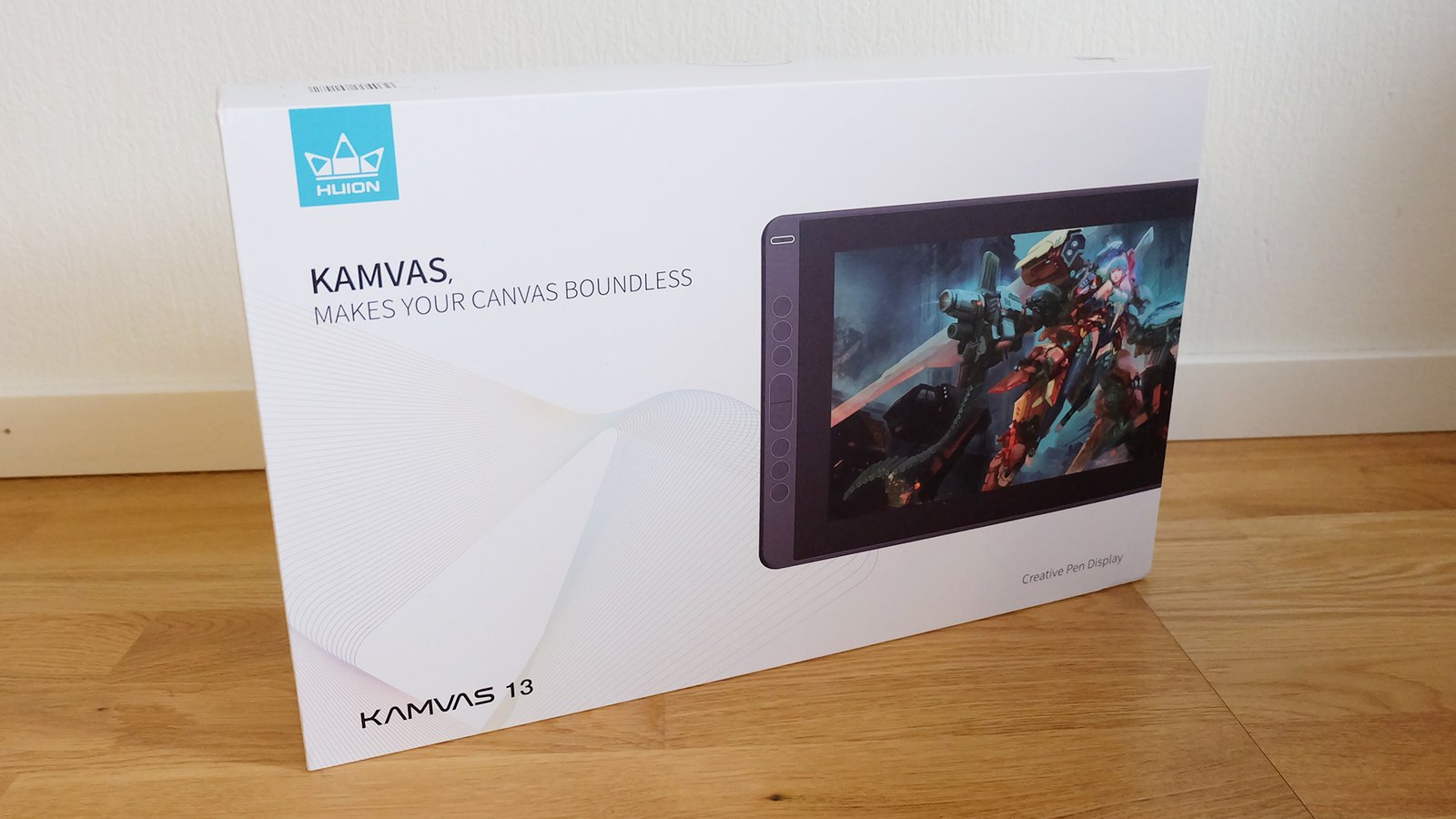 Huion sent me the Kamvas 13 to review. It is advertised as a first choice for beginners who want to try the pen display tablet.
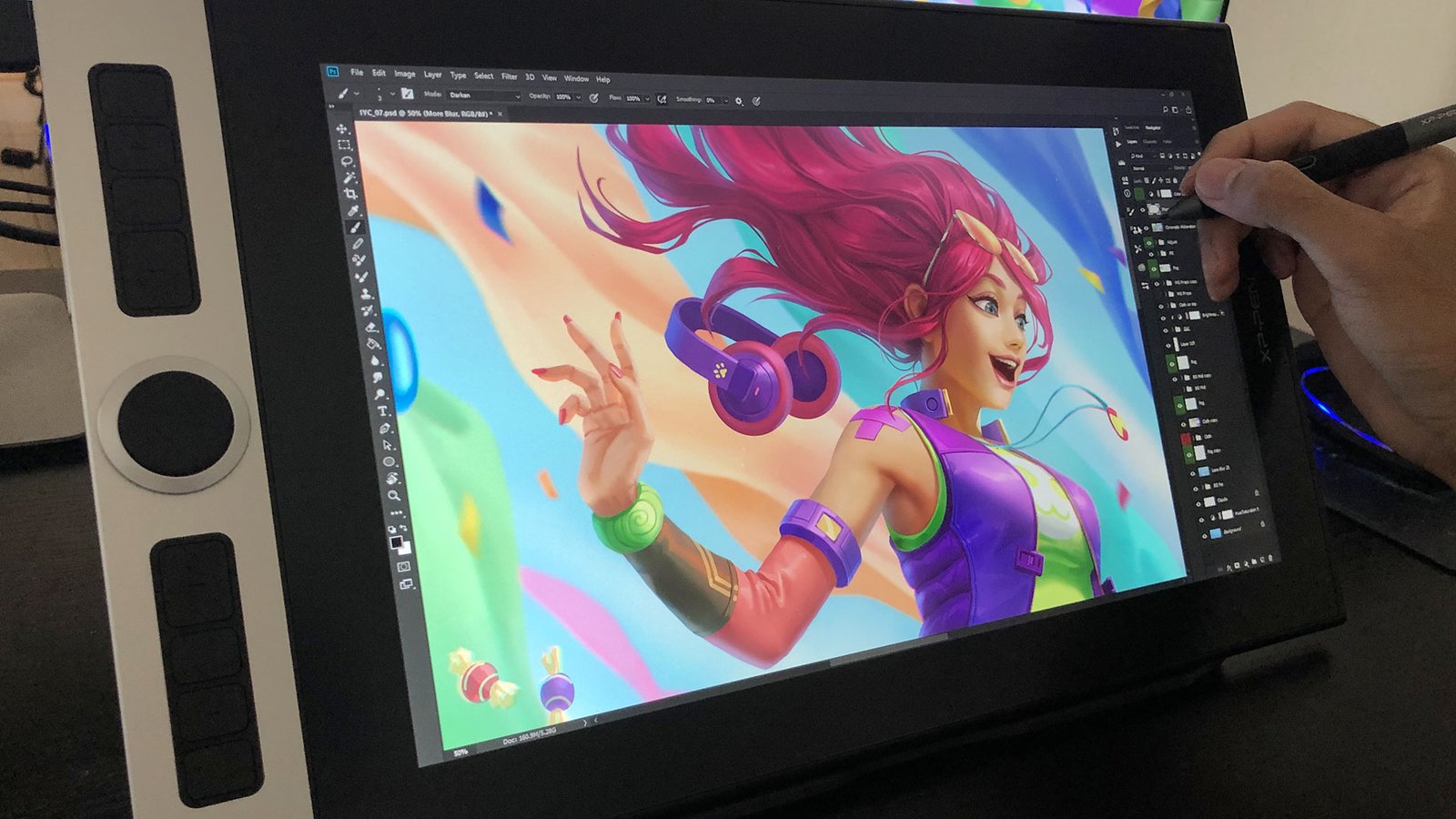
 I made a quick artwork while using this to test it out and I can say this product is very high quality and easy to use for something very affordable.
Contents
I made a quick artwork while using this to test it out and I can say this product is very high quality and easy to use for something very affordable.
Contents
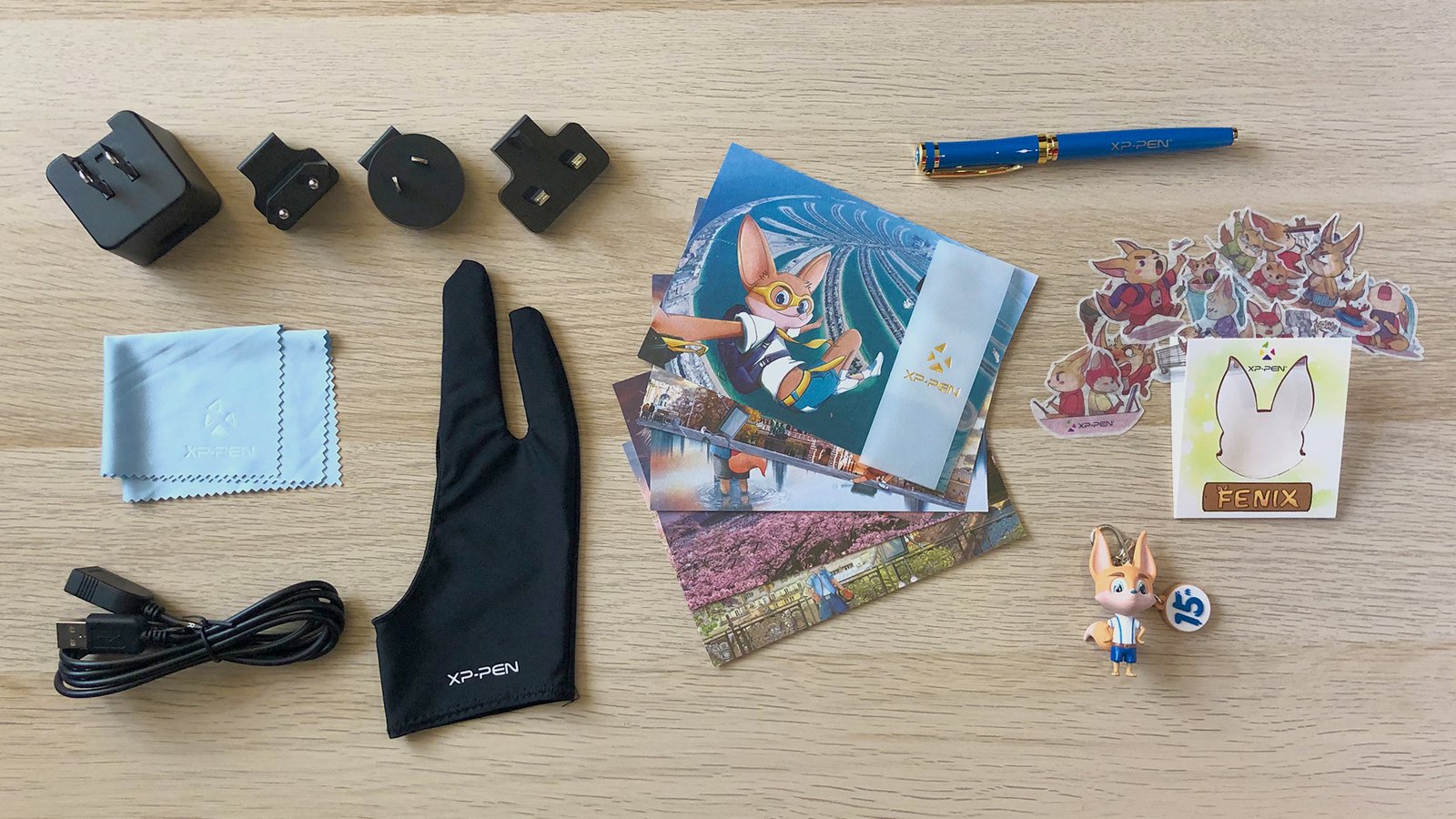
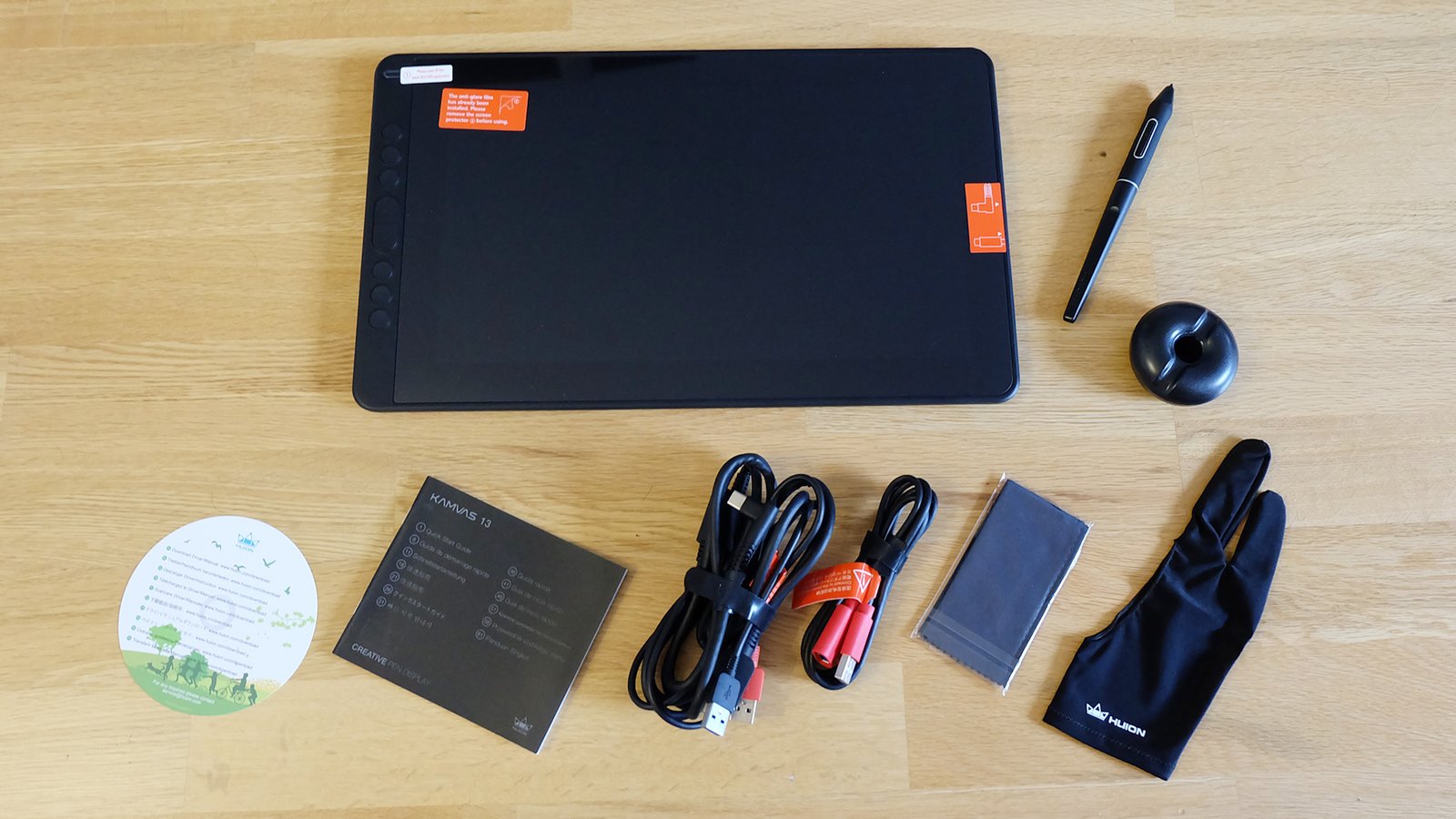 The Box contains the following:
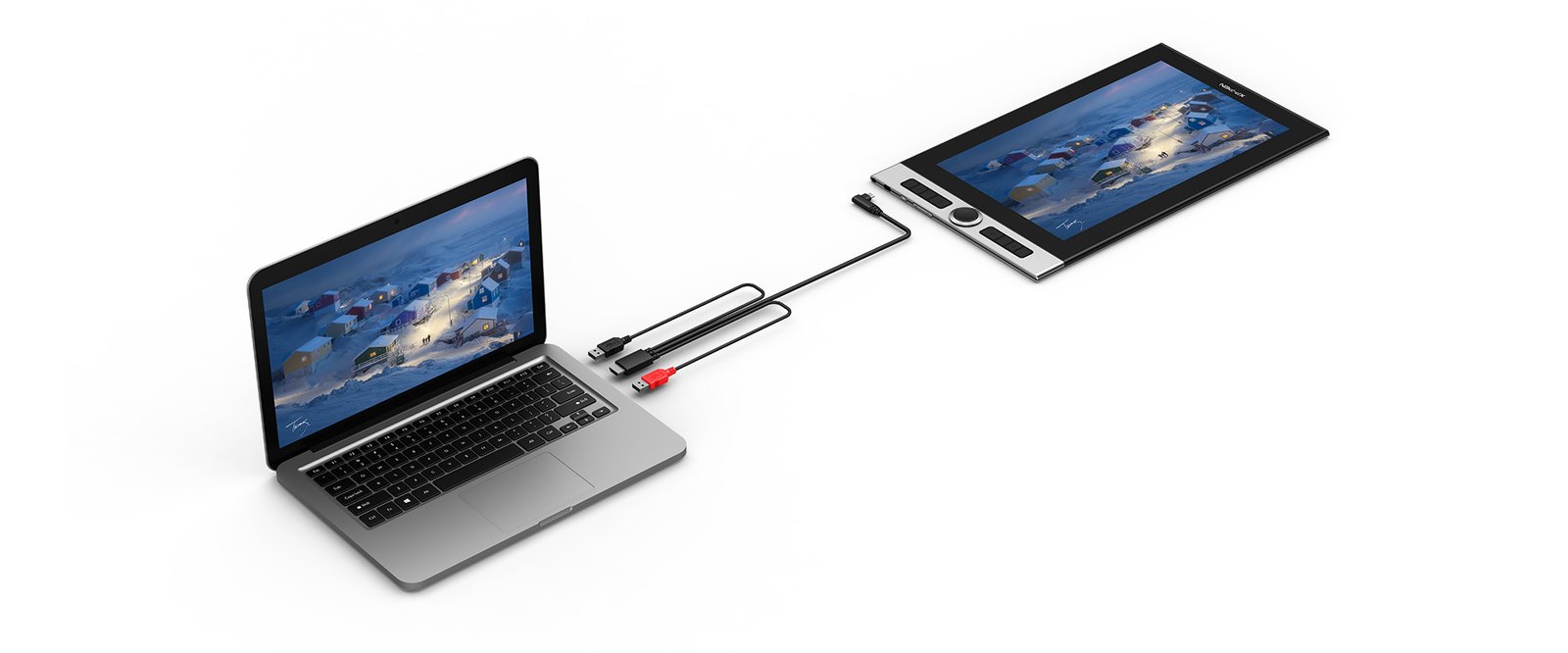
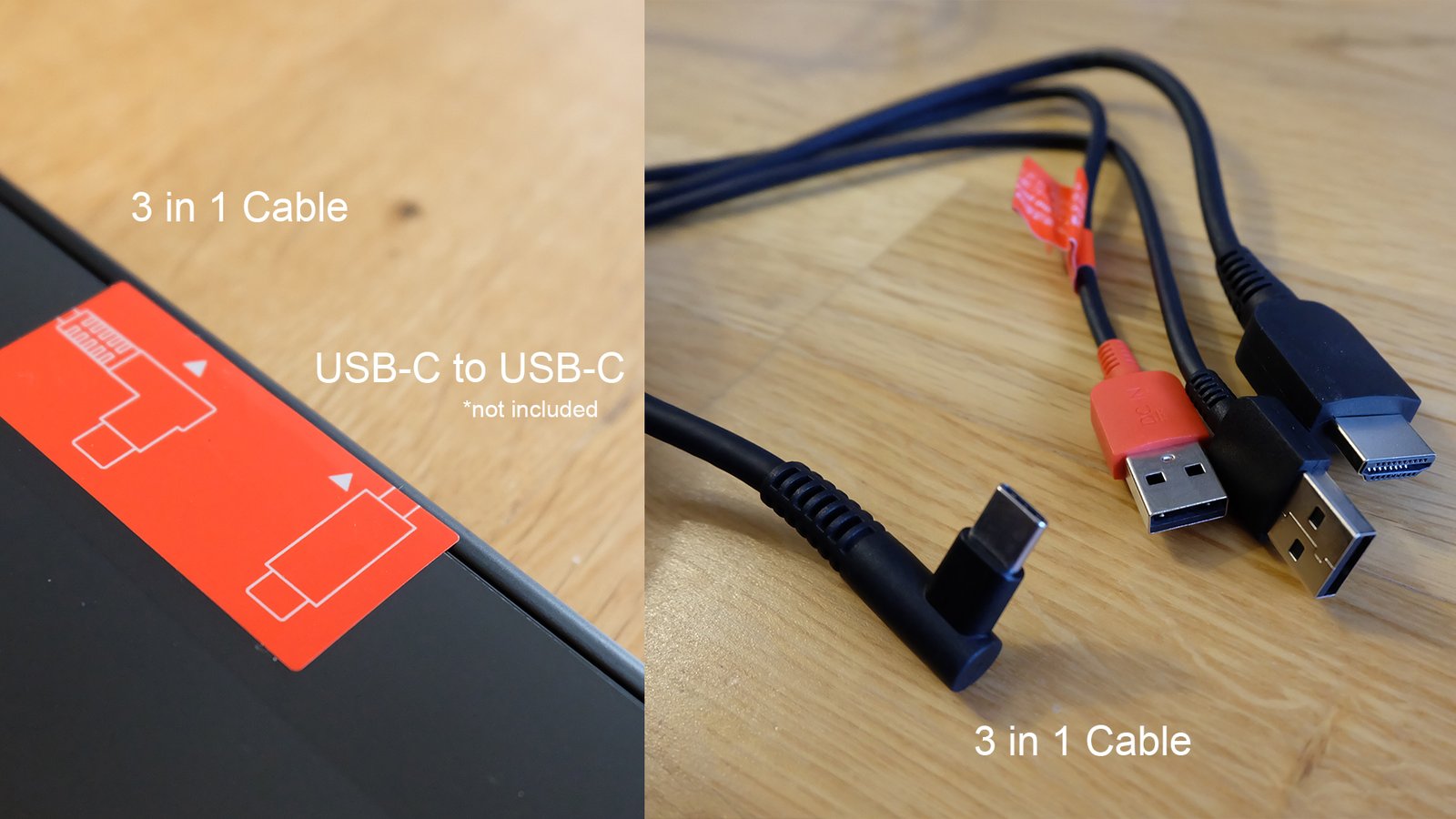 There are two ways to connect this to a computer. The first way is to use the 3 in 1 Cable that requires 2 USBs and one HDMI slot on your computer.
The second method is to use the USB-C to USB-C cable. This method requires devices that support USB3.1 Gen1, DP1.2 and above standards. The USB-C to USB-C cable can be purchased separately in their store. 3rd party USB-C cables are not supported because of the custom size of the slot.
Stand
There are two ways to connect this to a computer. The first way is to use the 3 in 1 Cable that requires 2 USBs and one HDMI slot on your computer.
The second method is to use the USB-C to USB-C cable. This method requires devices that support USB3.1 Gen1, DP1.2 and above standards. The USB-C to USB-C cable can be purchased separately in their store. 3rd party USB-C cables are not supported because of the custom size of the slot.
Stand
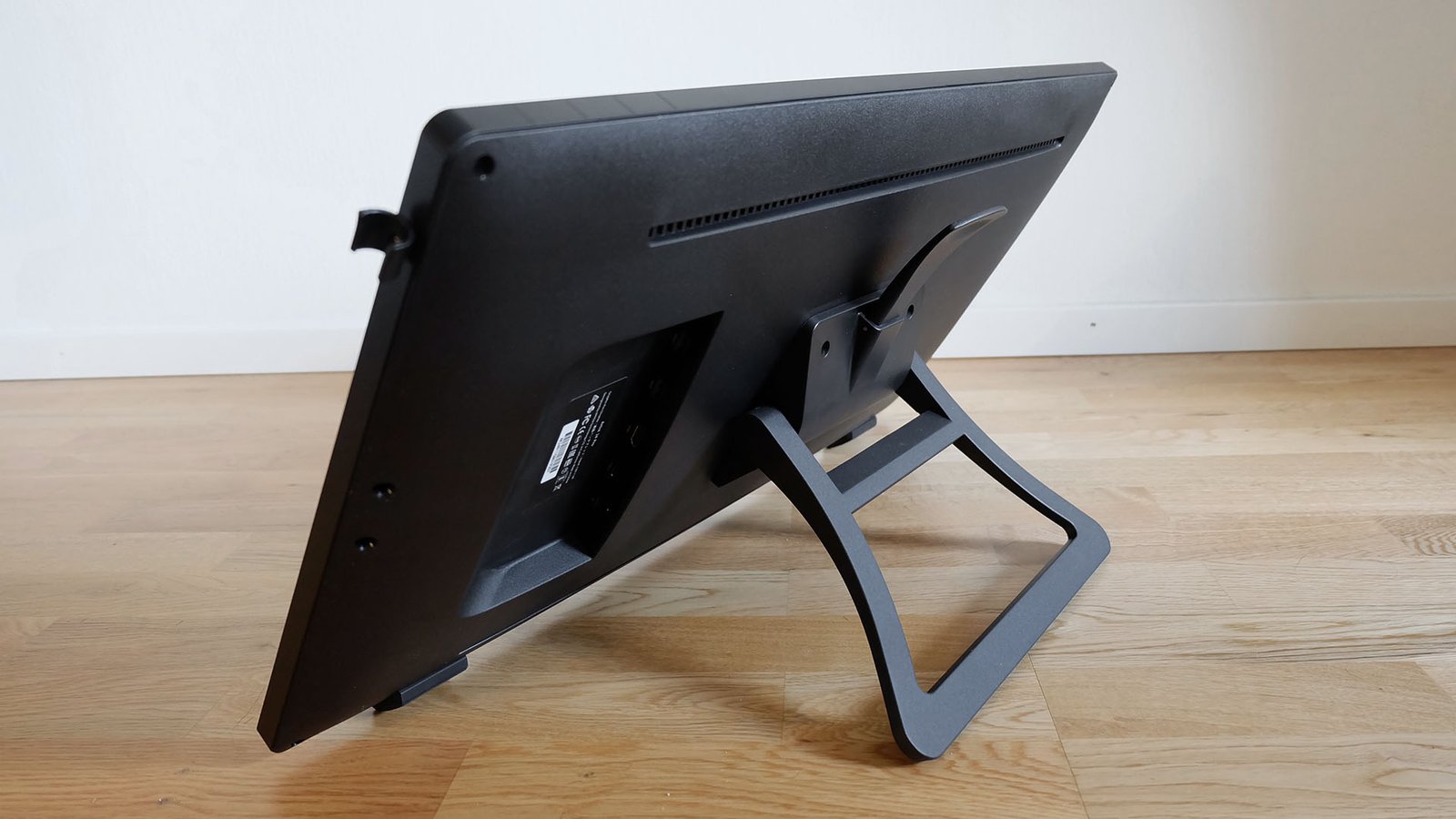
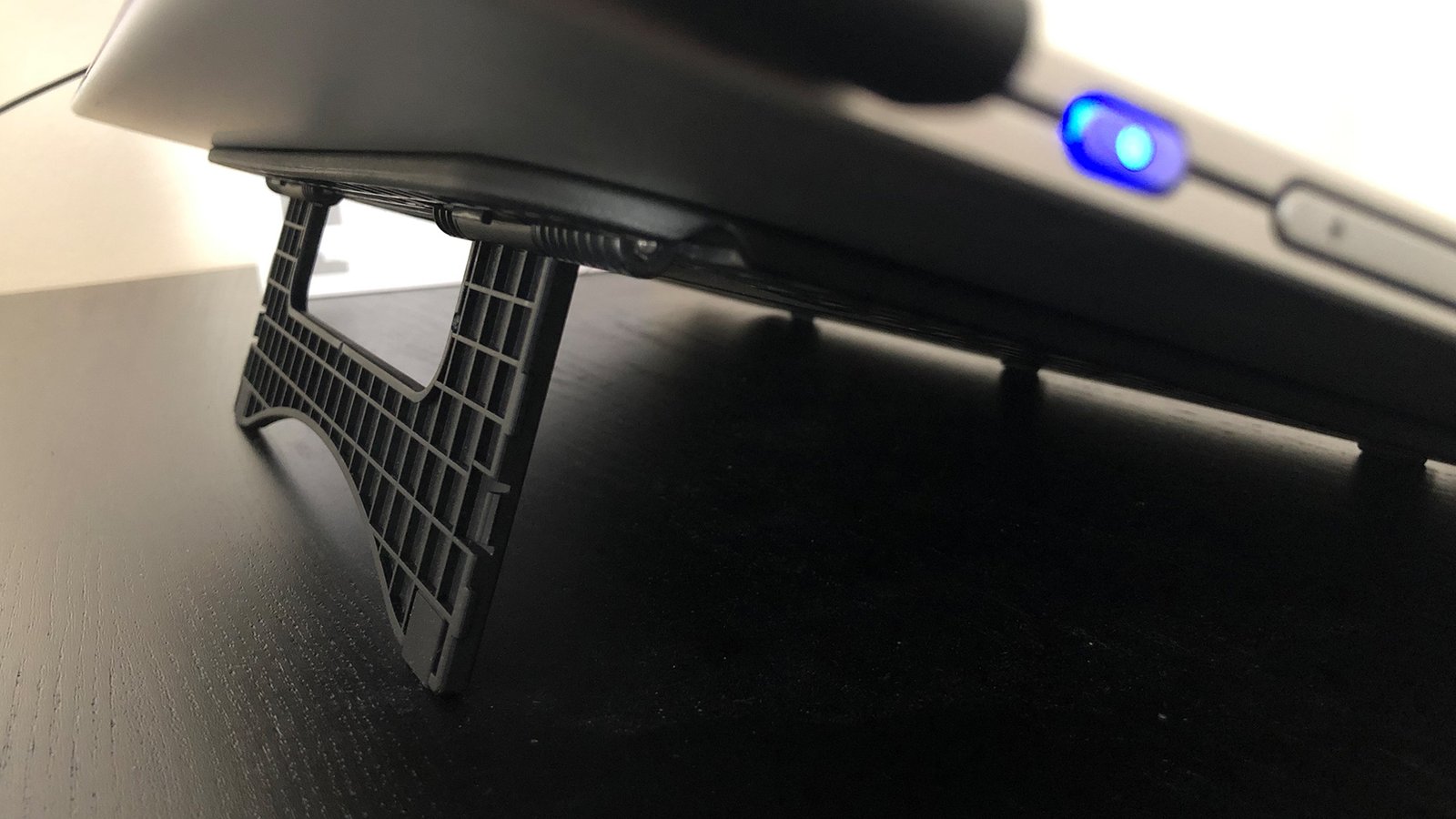
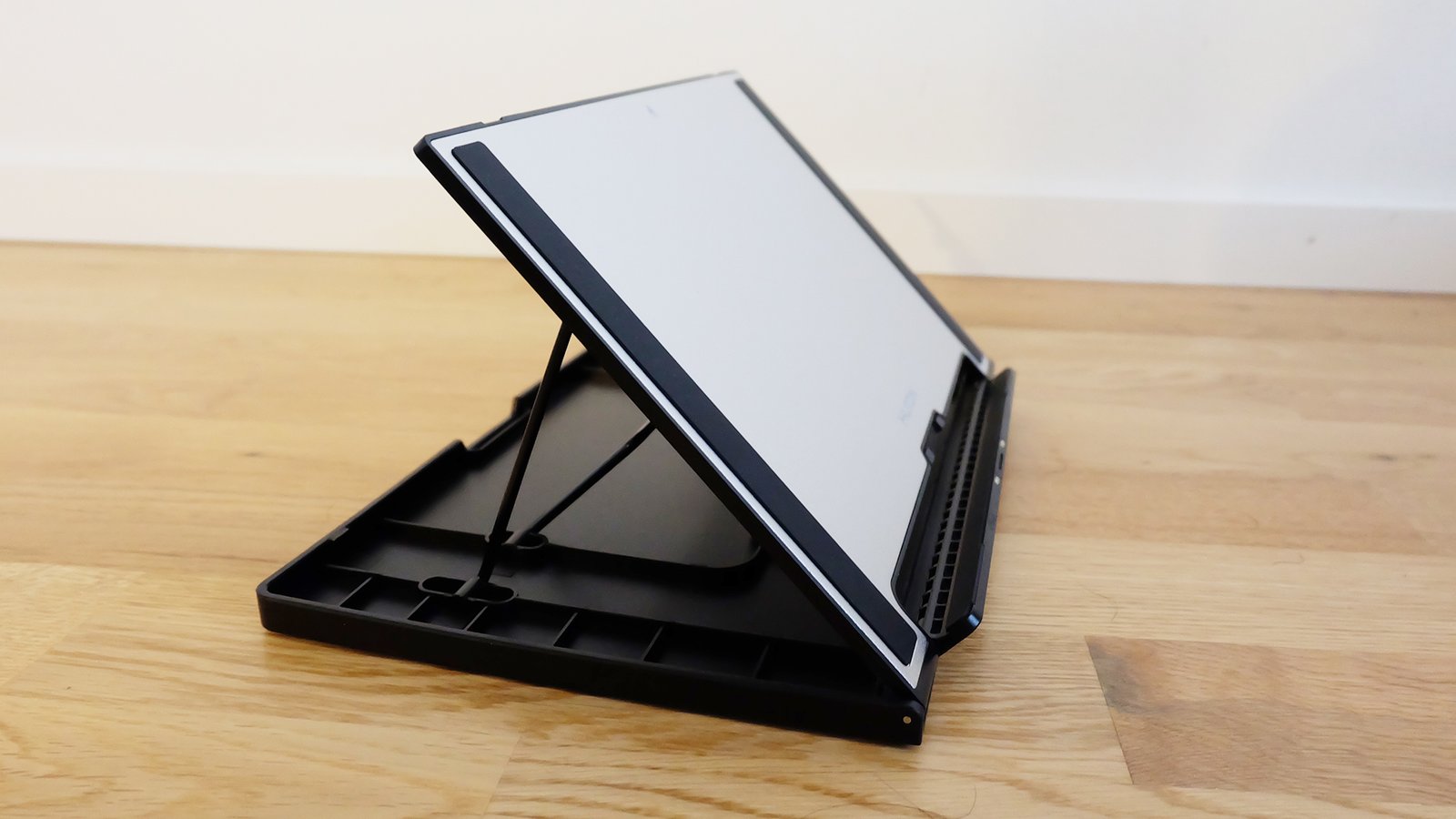 The stand is not included in the base product but can be added on when purchasing. I think it is necessary if you don’t want to strain your neck while using this.
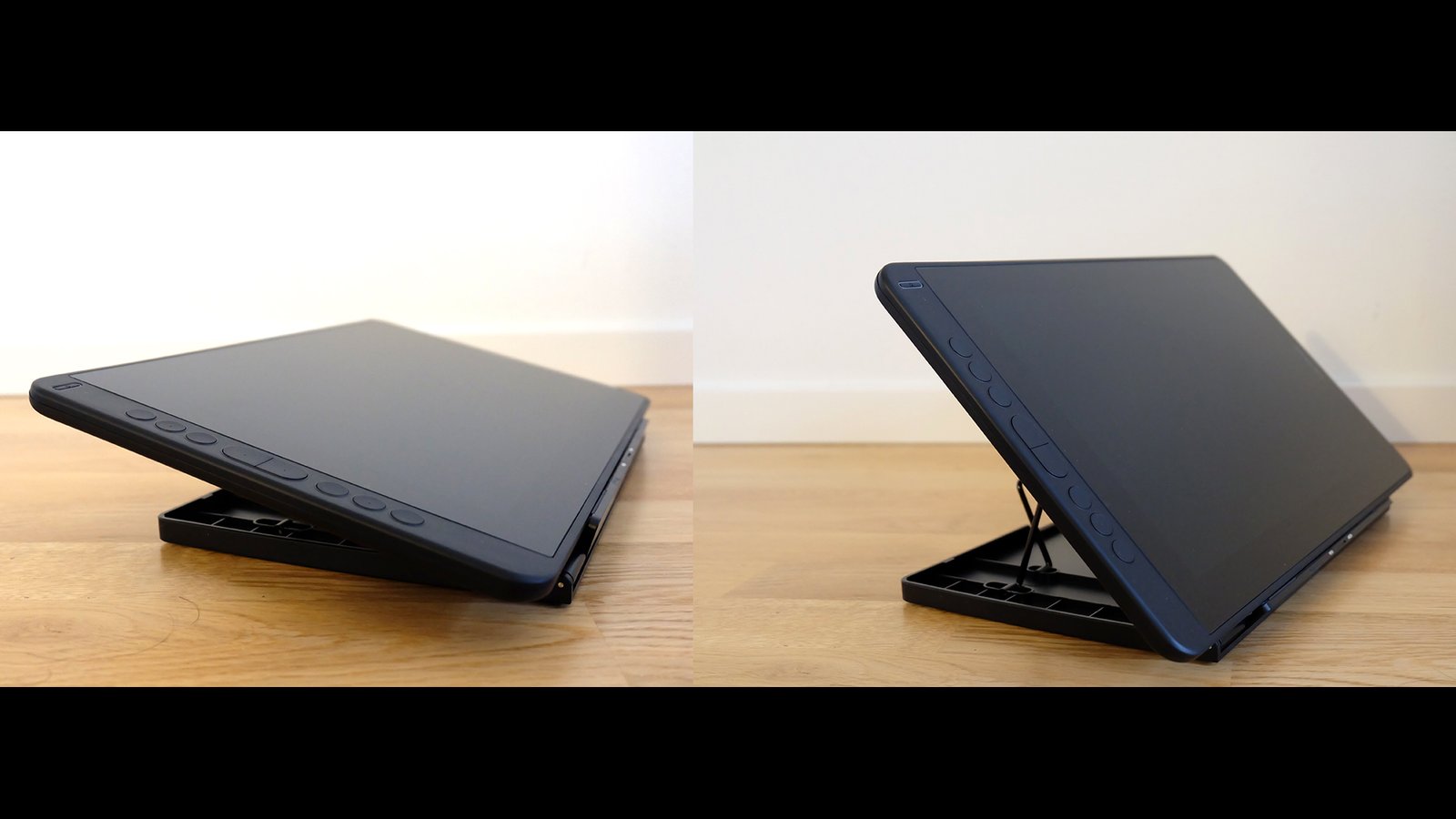 It can be adjusted between 20 to 60 degrees and is made of sturdy plastic and metal. I did not encounter any wobbling while using this.
Stylus
It can be adjusted between 20 to 60 degrees and is made of sturdy plastic and metal. I did not encounter any wobbling while using this.
Stylus
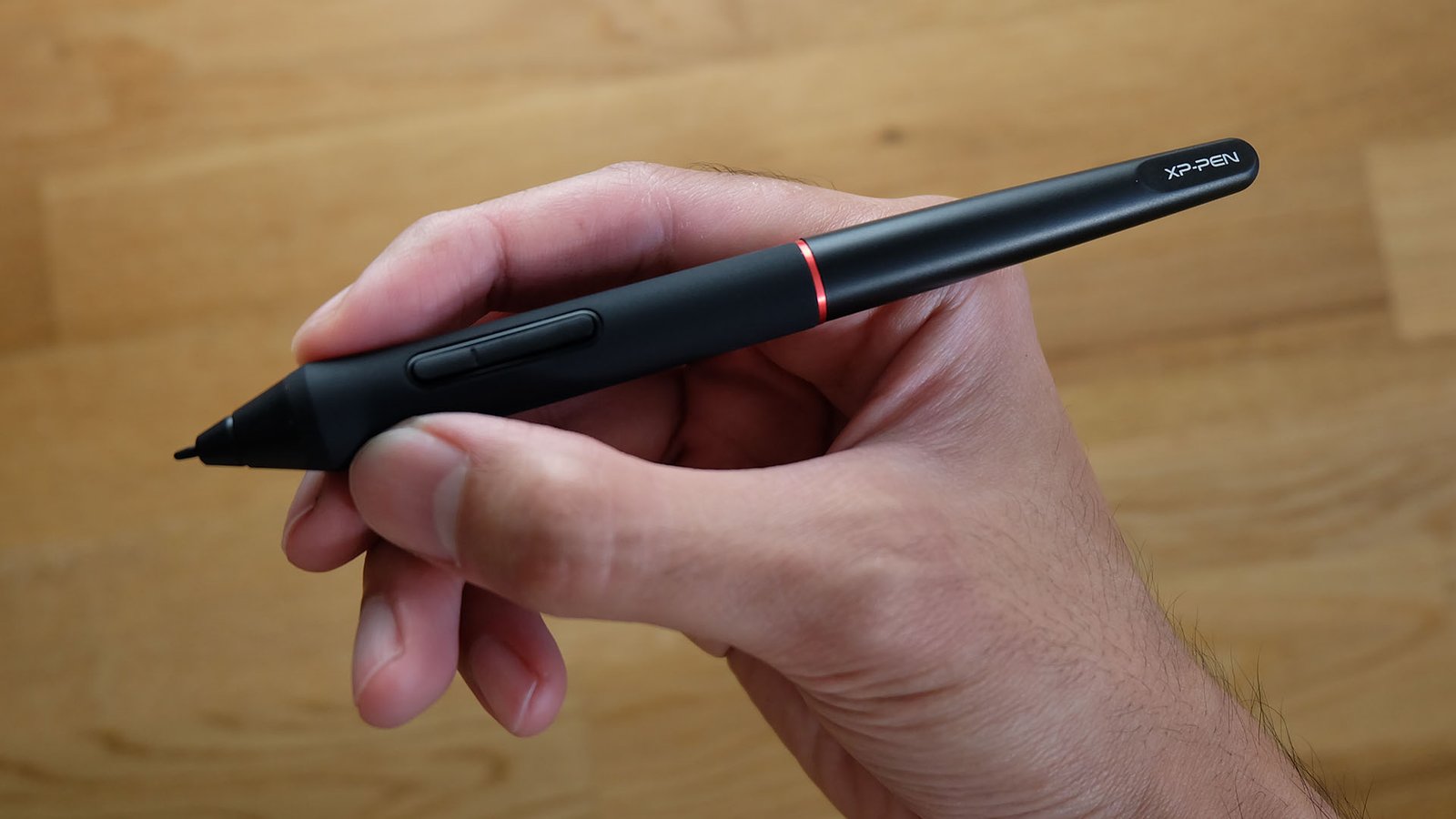
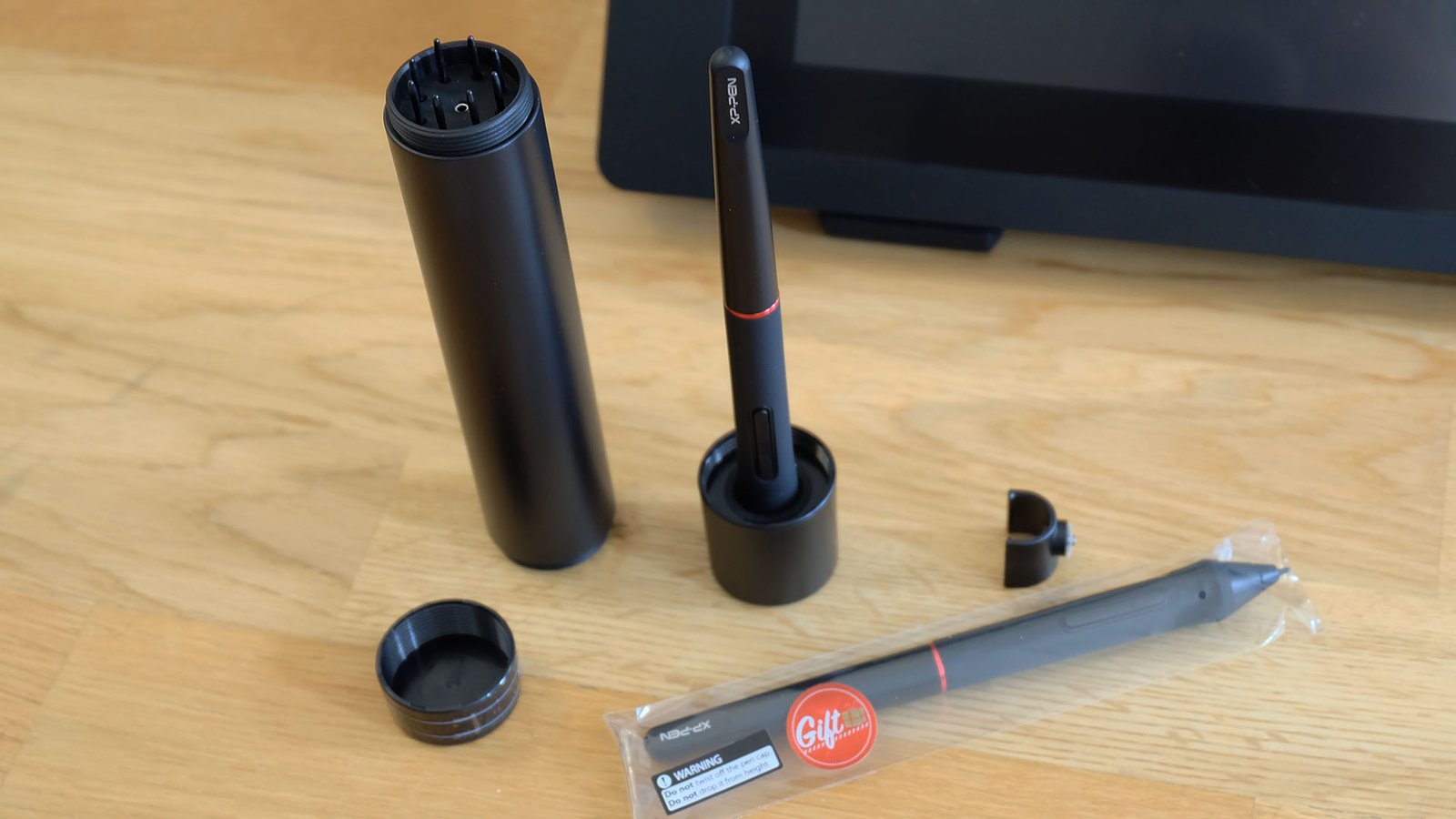
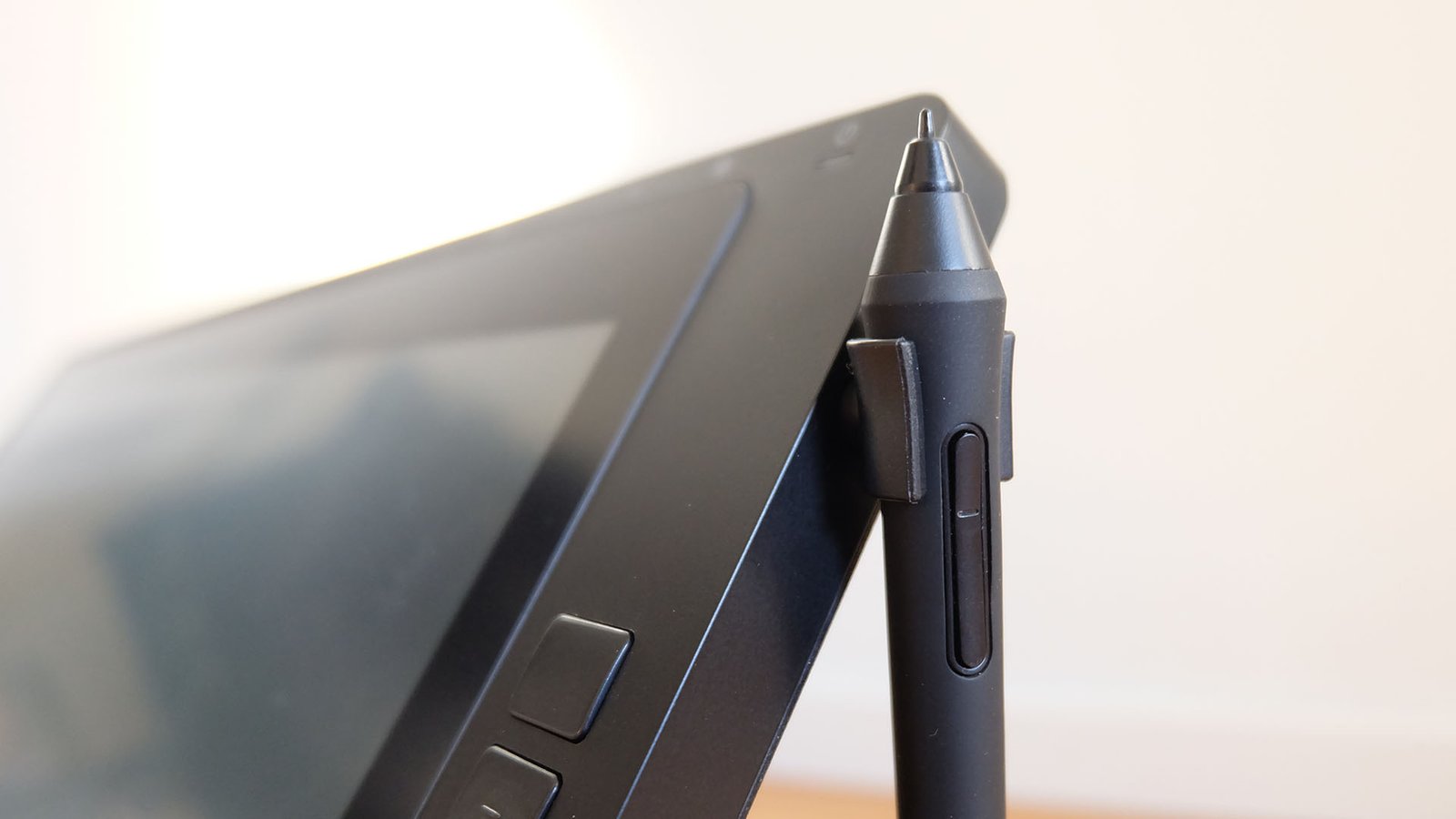
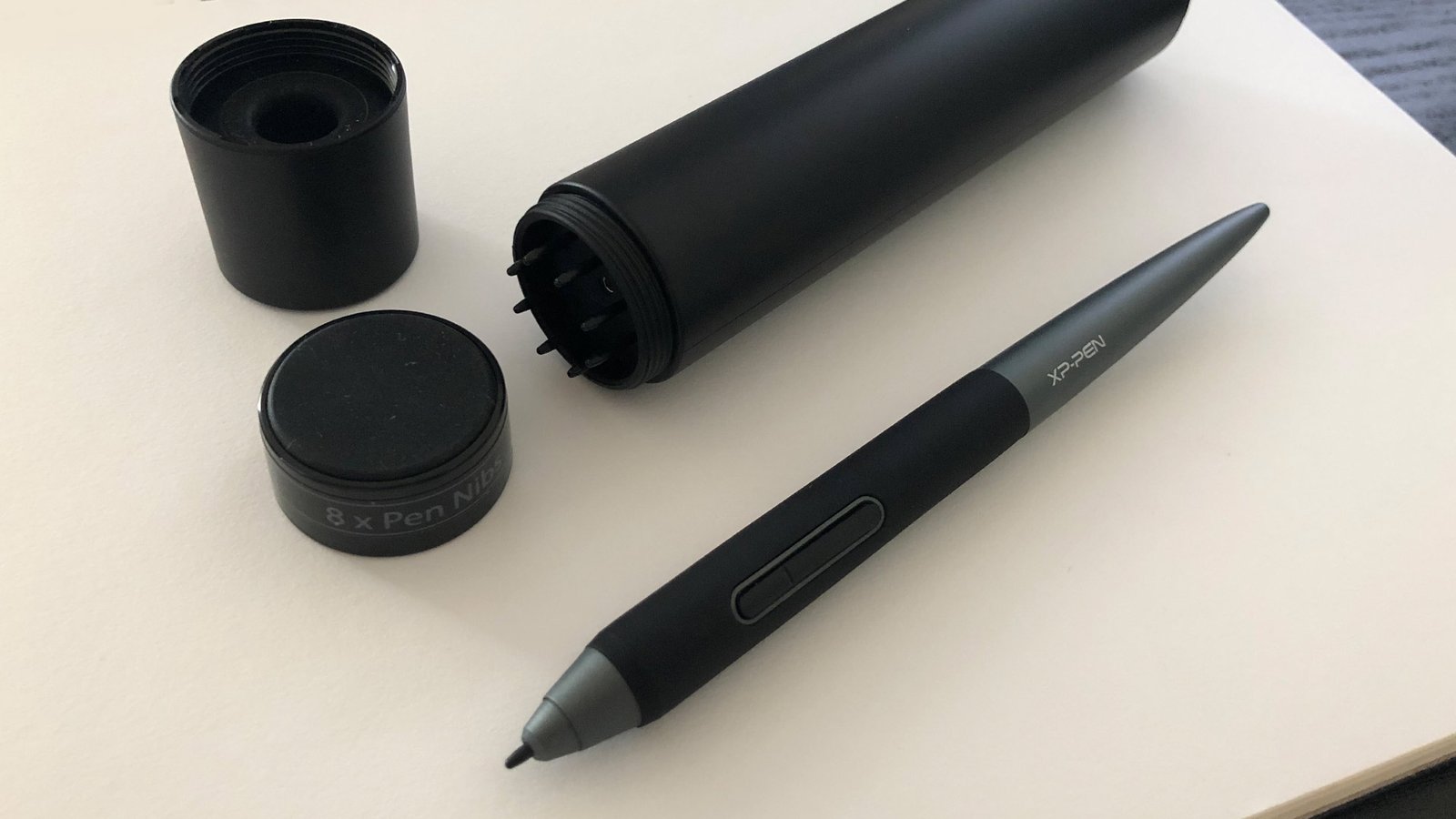
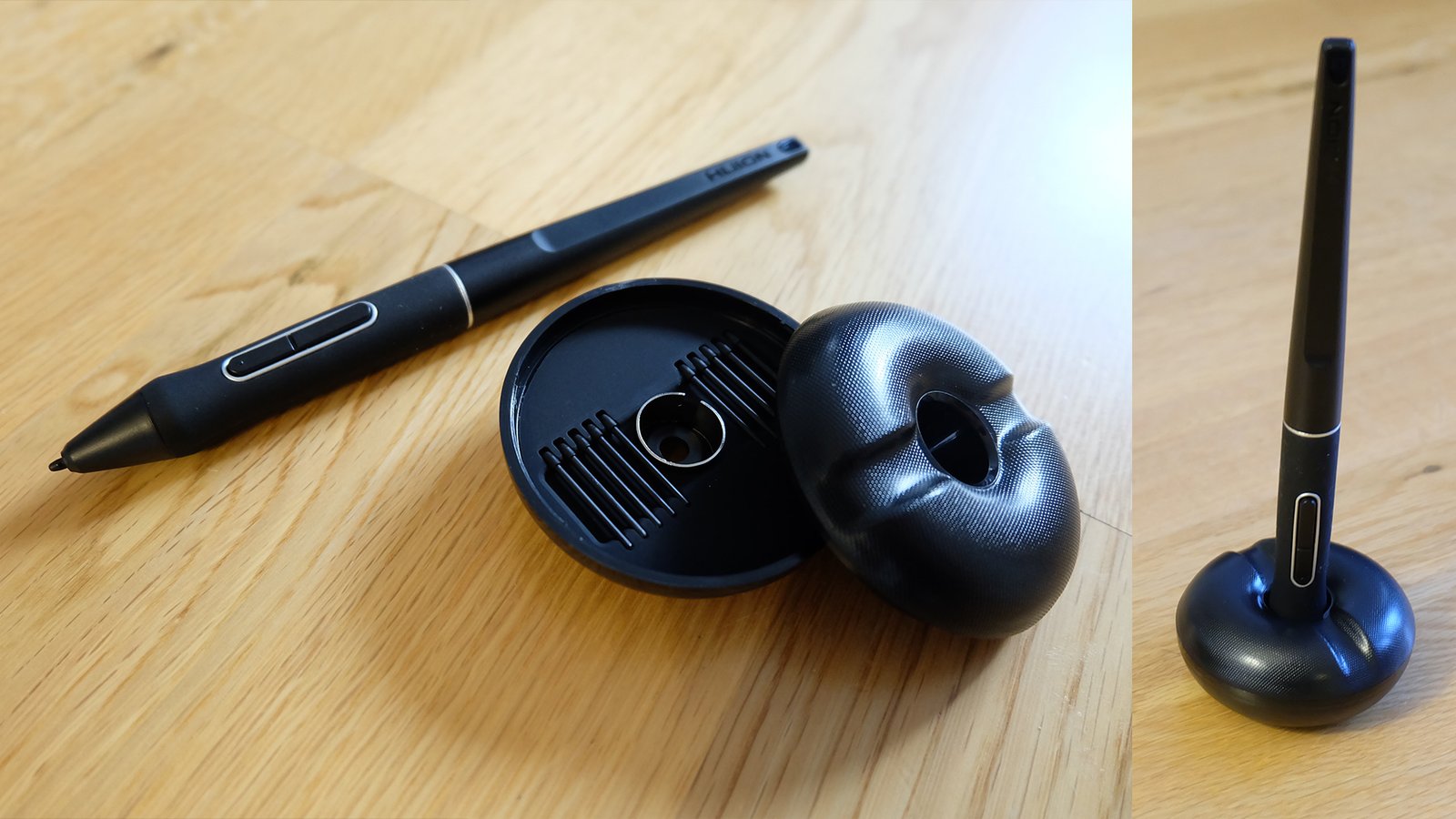 The pen feels comfortable and nicely made. It has two customizable side buttons. The pen stand can be opened up to reveal 10 spare nibs and a nib remover clip. I really like this pen holder because it’s very stable and it’s easy to fit the pen in the slot.
The battery free stylus works well and I did not encounter and hiccups with the pressure. It has 8192 levels of pressure with 60 degrees of tilt function. The accuracy is great. I did not need to calibrate it.
I also really like the texture of the anti-glare protective film. It feels a bit like drawing on paper without it affecting the colors of the screen.
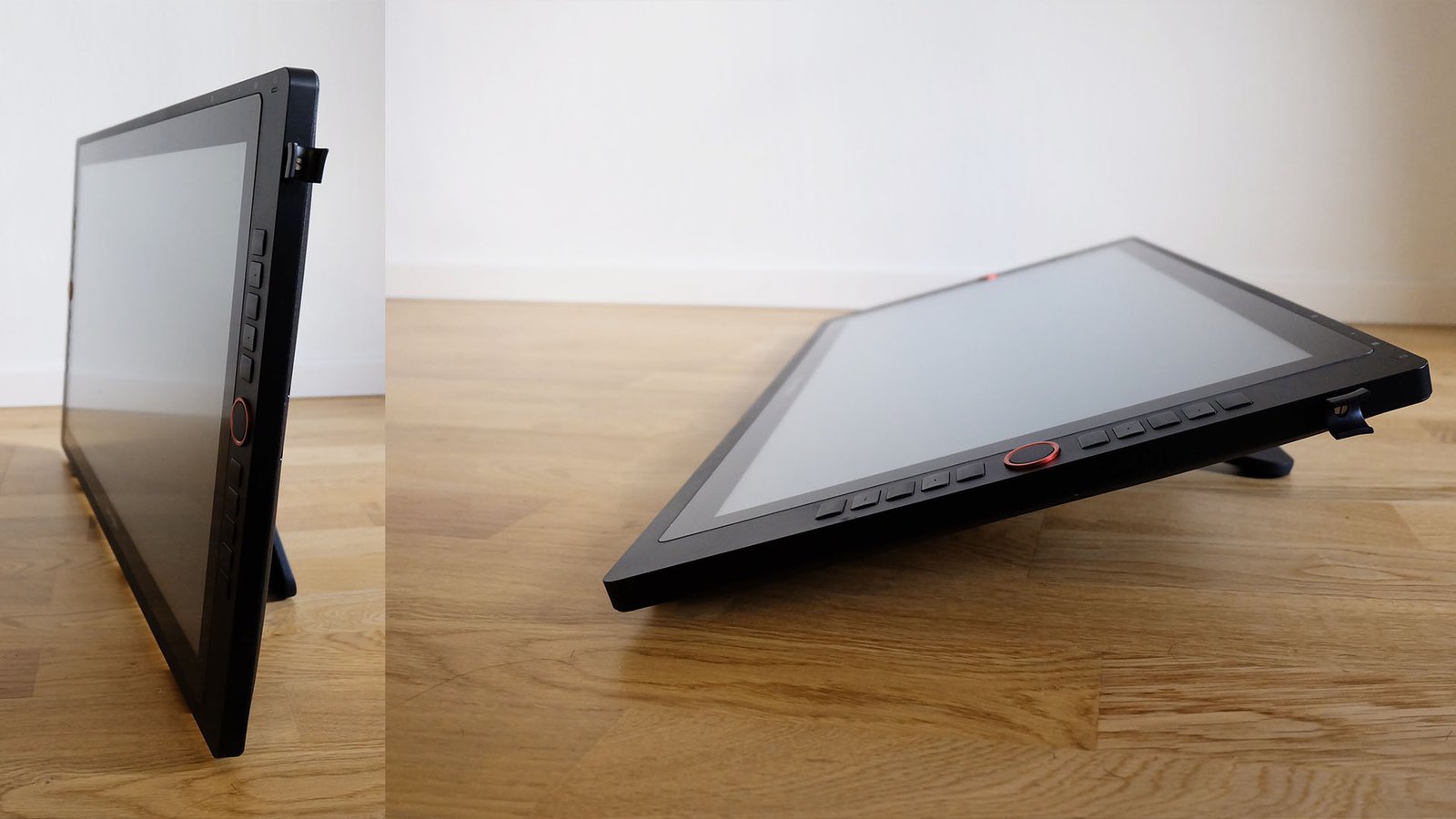
8 Press Keys
The pen feels comfortable and nicely made. It has two customizable side buttons. The pen stand can be opened up to reveal 10 spare nibs and a nib remover clip. I really like this pen holder because it’s very stable and it’s easy to fit the pen in the slot.
The battery free stylus works well and I did not encounter and hiccups with the pressure. It has 8192 levels of pressure with 60 degrees of tilt function. The accuracy is great. I did not need to calibrate it.
I also really like the texture of the anti-glare protective film. It feels a bit like drawing on paper without it affecting the colors of the screen.
8 Press Keys
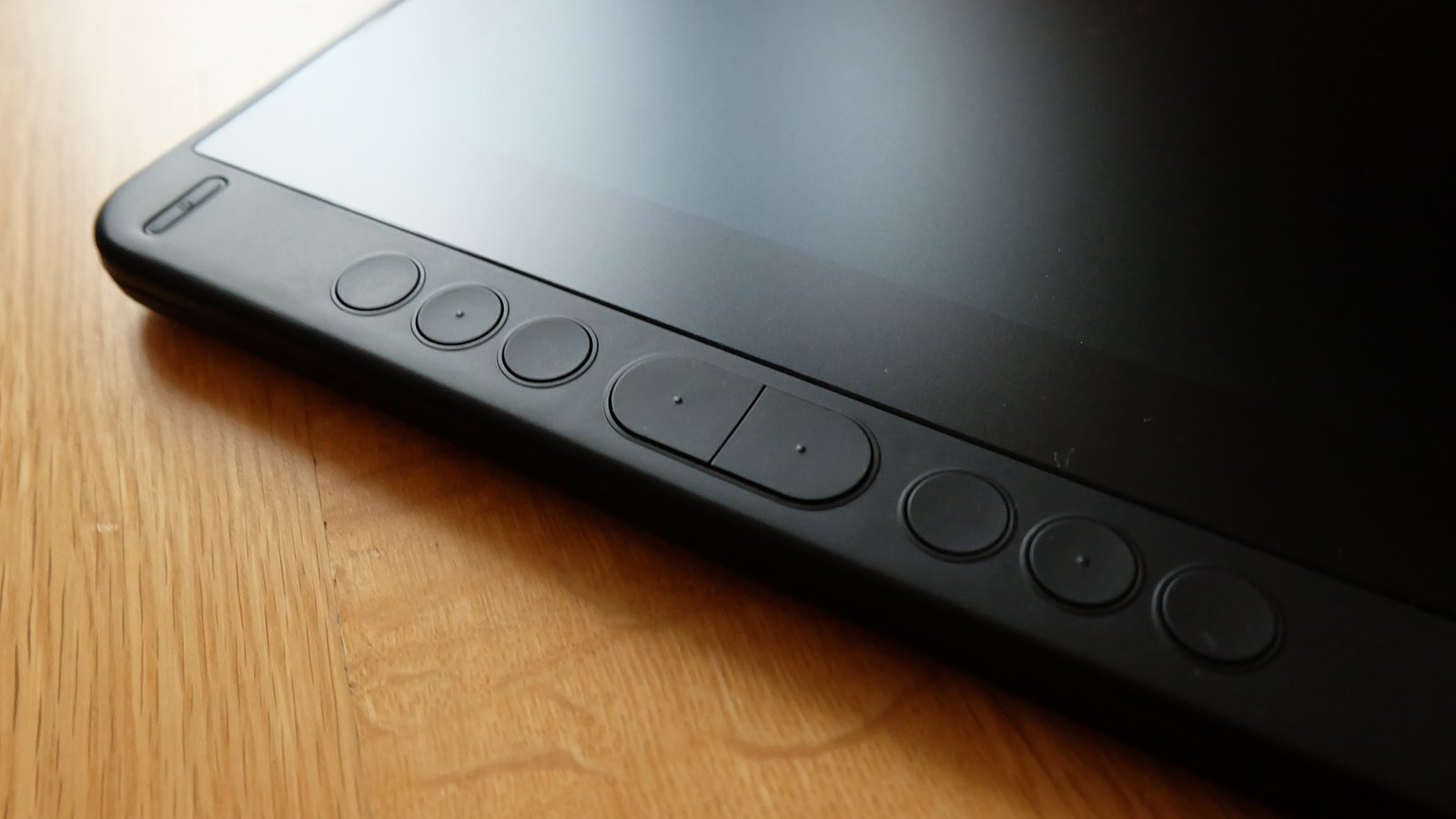 The 8 Press Keys are all customizable. I like the round buttons which gives it a smooth feel.
Software
The 8 Press Keys are all customizable. I like the round buttons which gives it a smooth feel.
Software
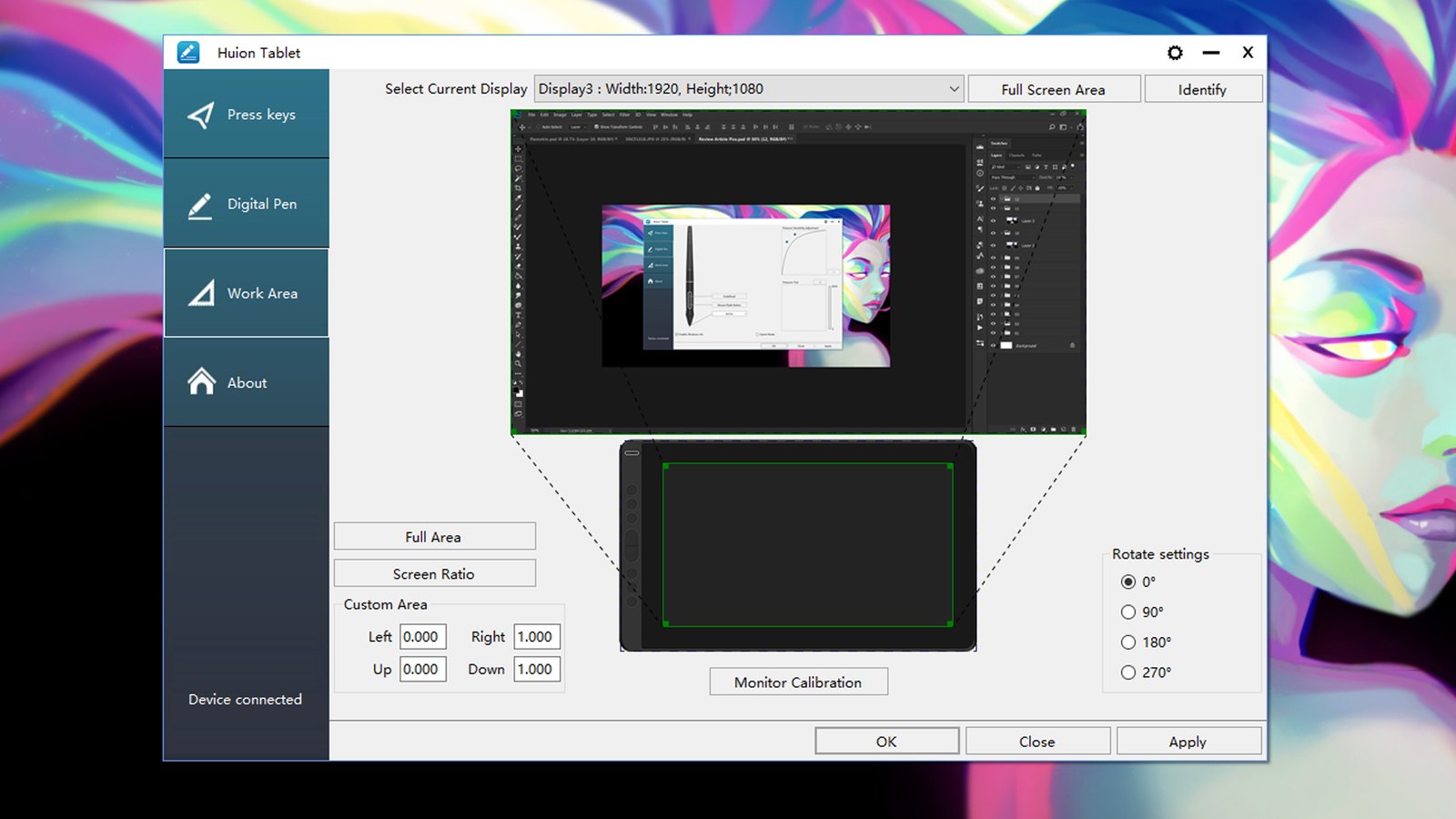 The software is very straight forward. I did not encounter any bugs while using it on Windows 10 and Photoshop CC.
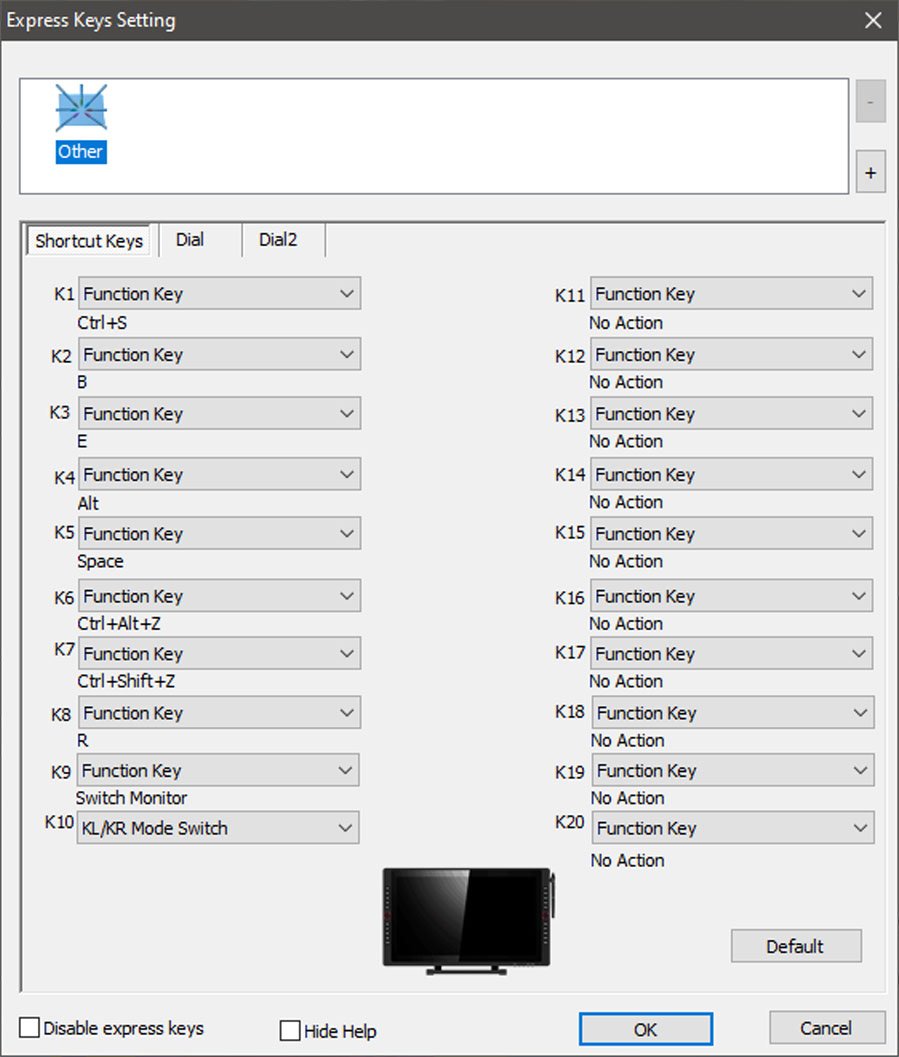
The 8 Press Keys can be customized but the default settings are already very useful. Right now my settings are Brush, Eraser, Zoom in, Zoom out, Brush Enlarge, Brush Shrink, Pan, Undo. I think it would be better if there was one more button for a Redo function though.
The software is very straight forward. I did not encounter any bugs while using it on Windows 10 and Photoshop CC.
The 8 Press Keys can be customized but the default settings are already very useful. Right now my settings are Brush, Eraser, Zoom in, Zoom out, Brush Enlarge, Brush Shrink, Pan, Undo. I think it would be better if there was one more button for a Redo function though.
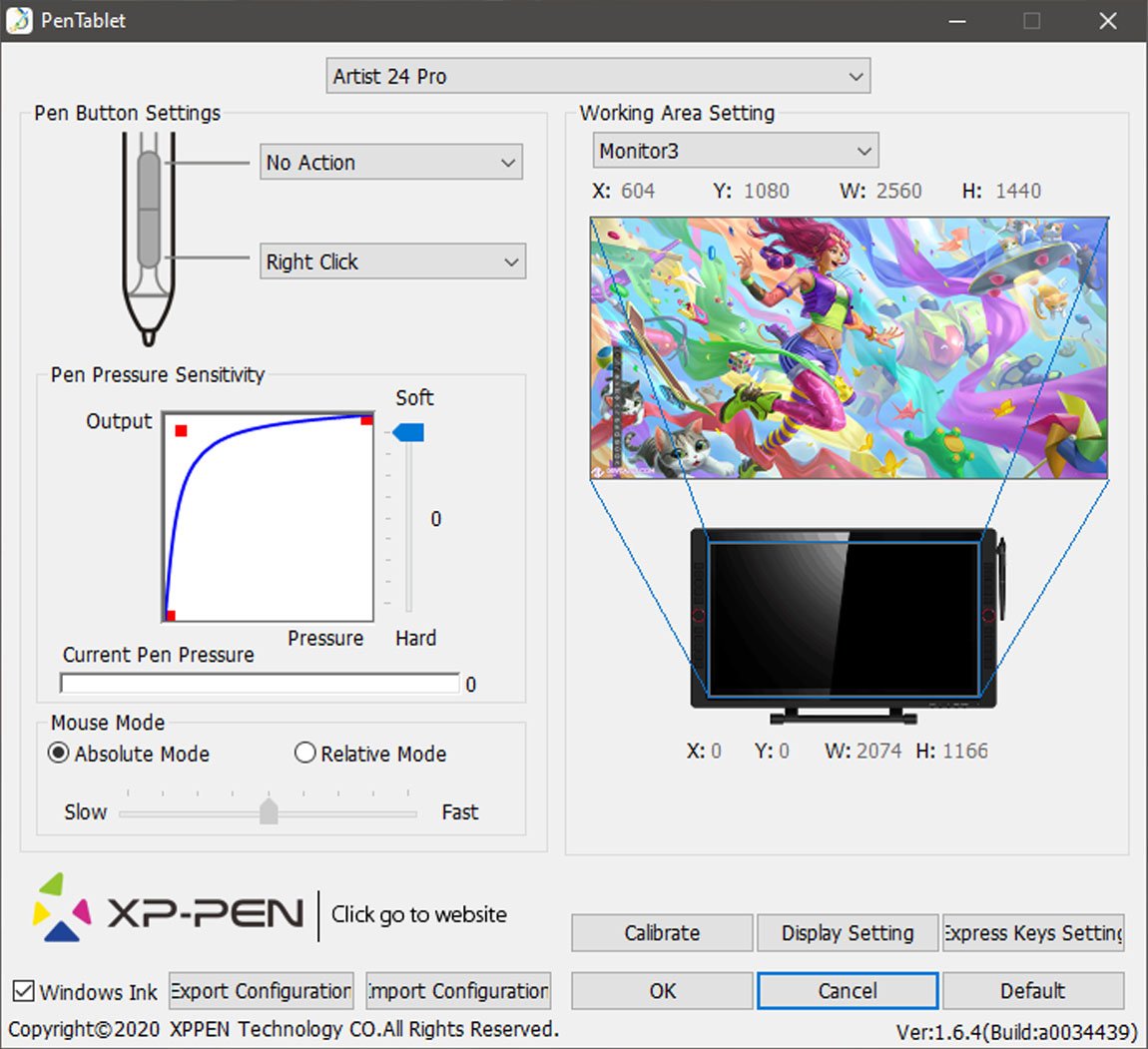
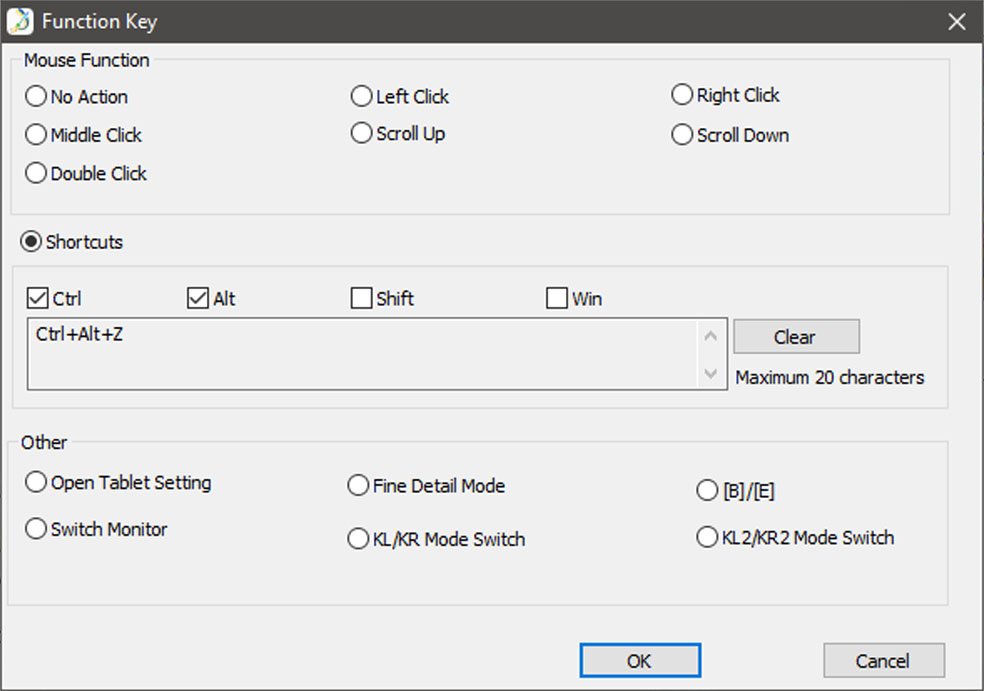
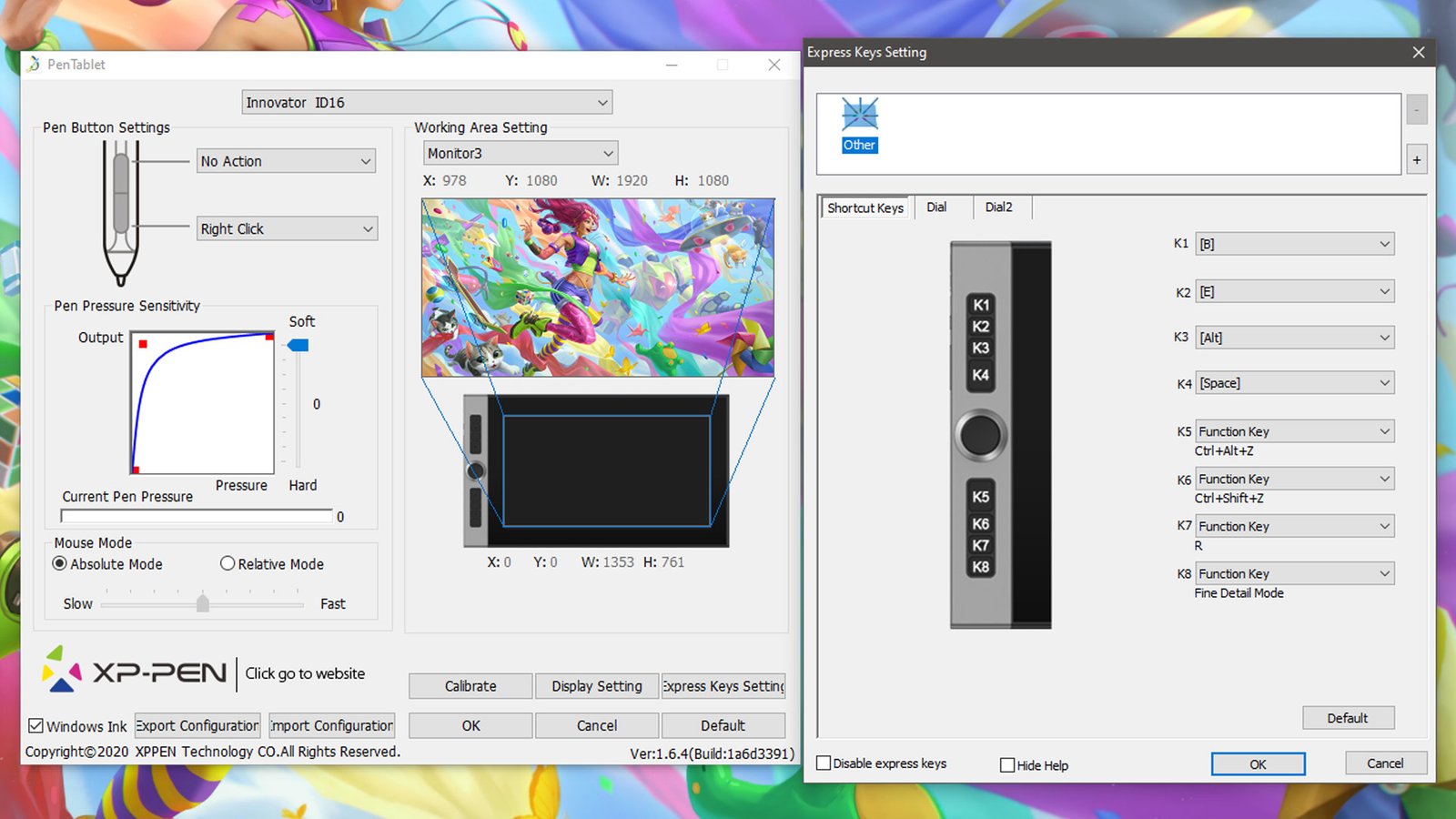
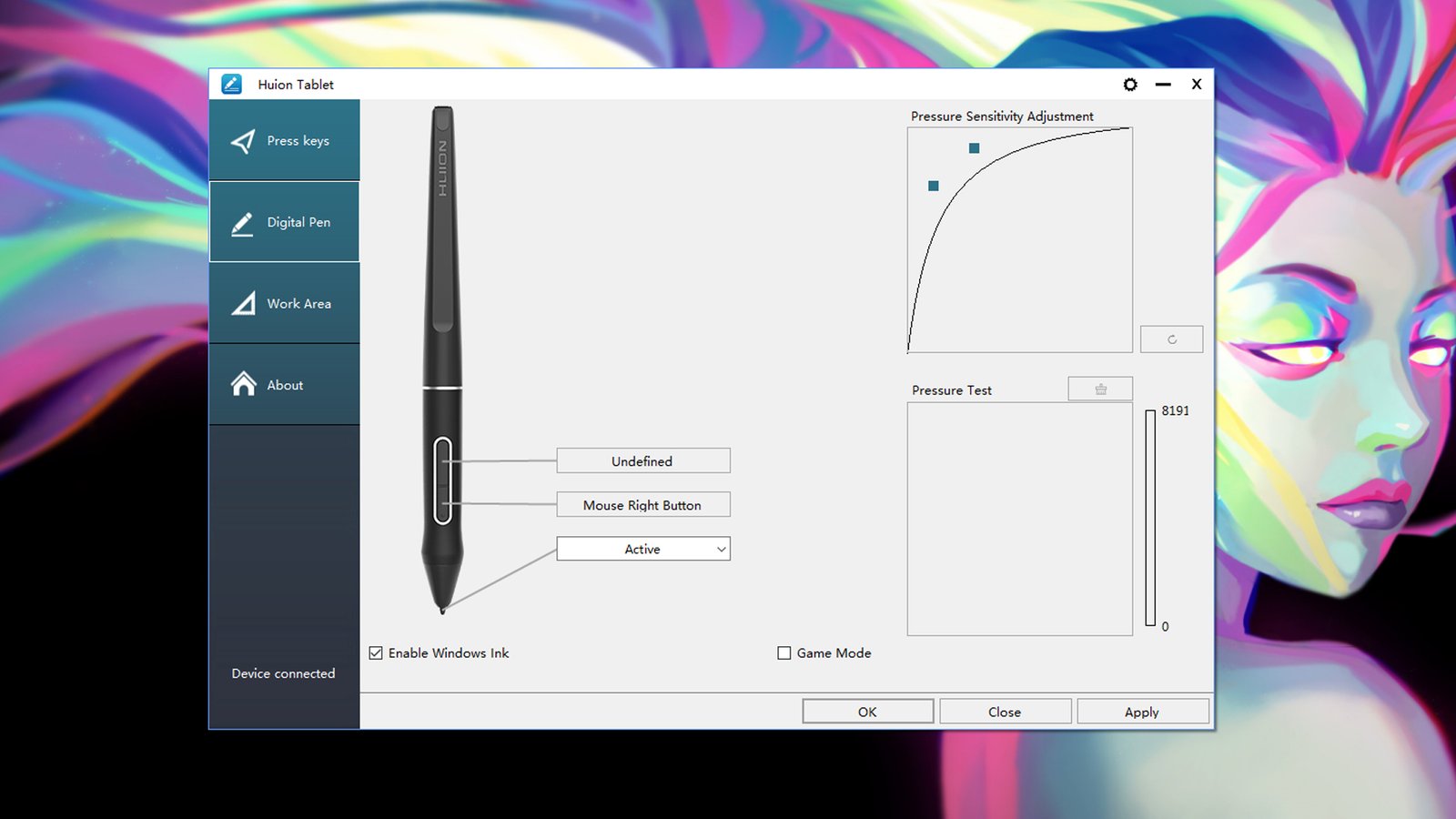 Here are my Pen settings. As usual I set it to be more sensitive than usual so that it will need less pressure from my hands to prevent RSI.
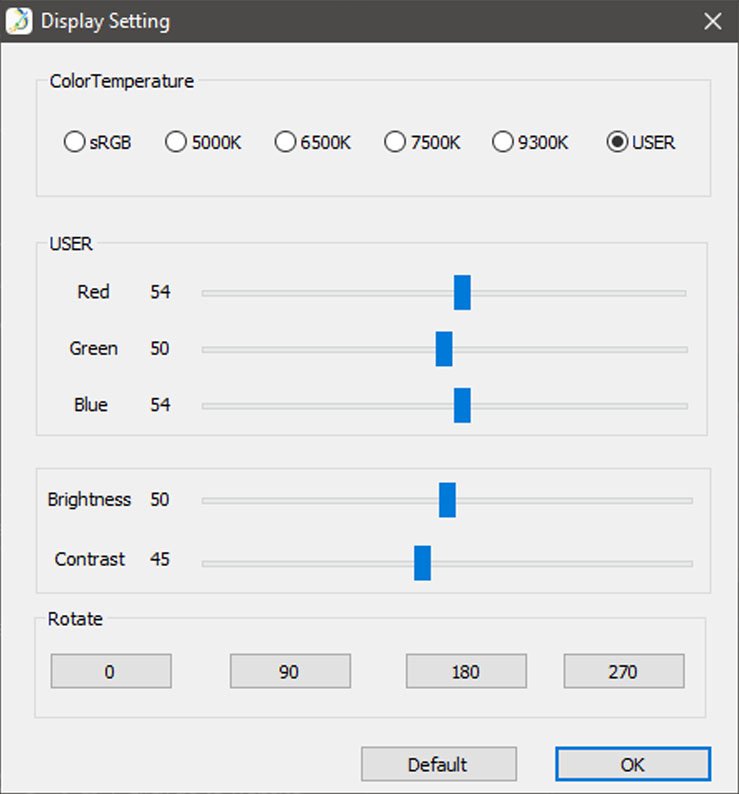
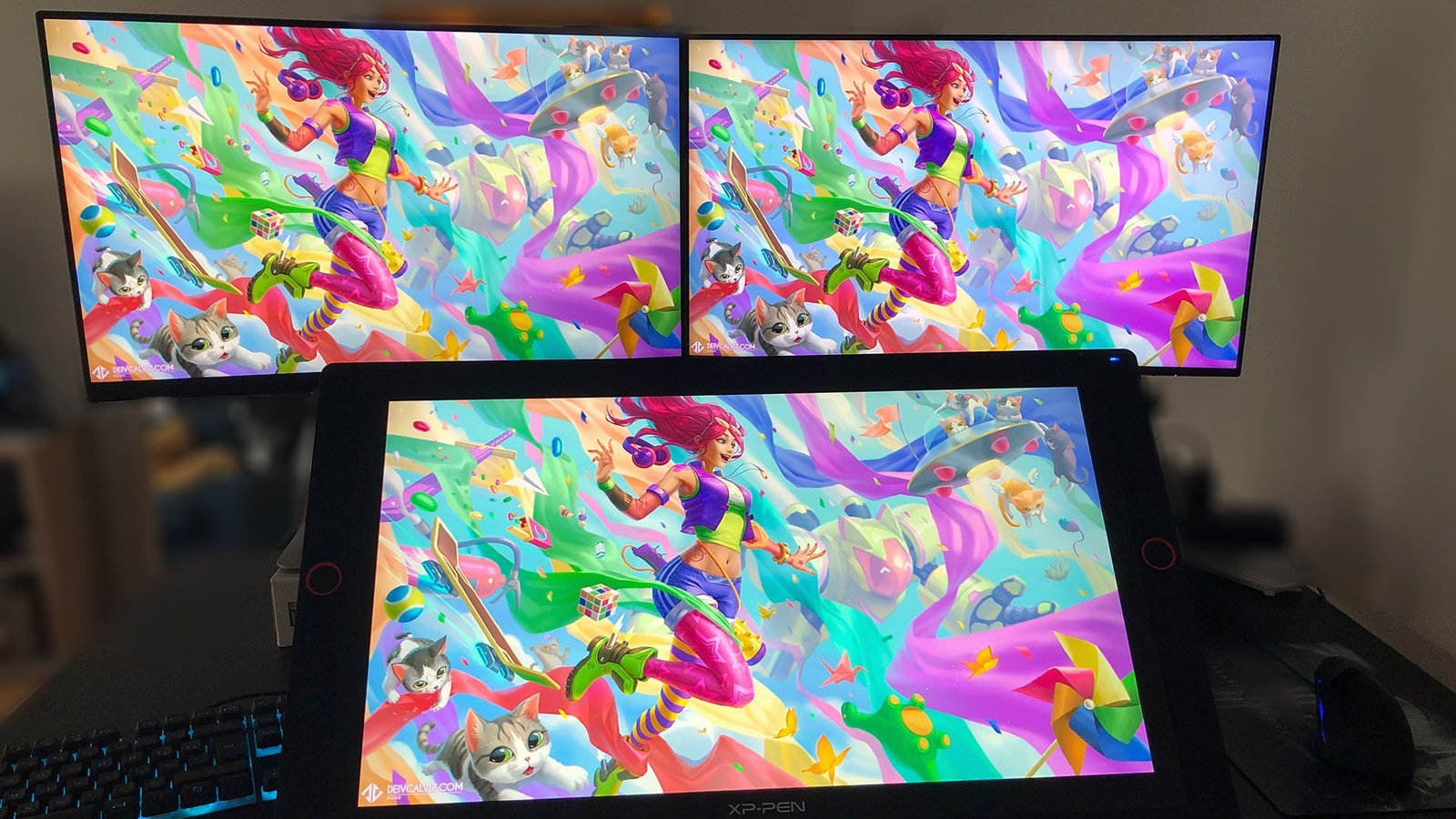
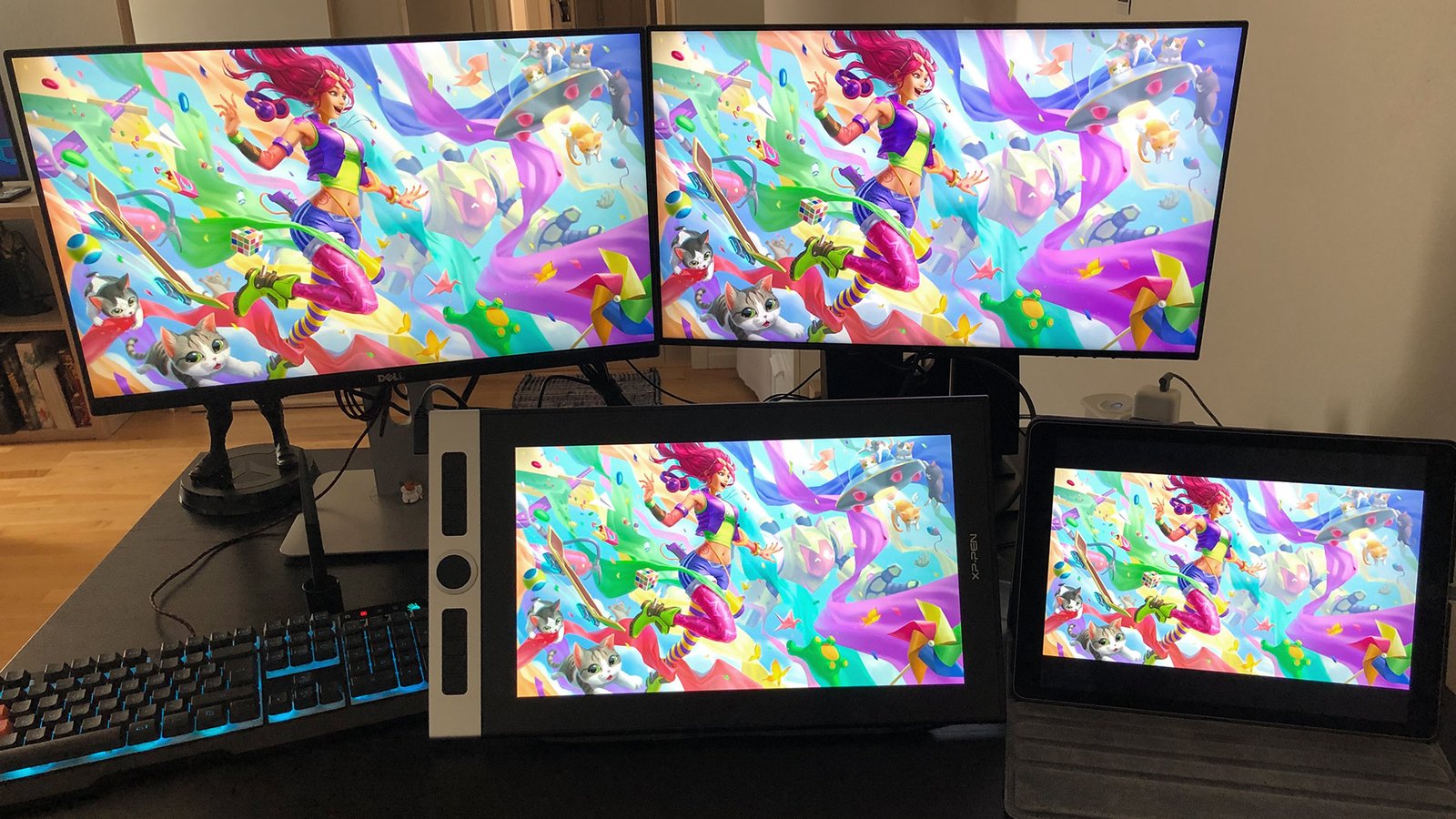
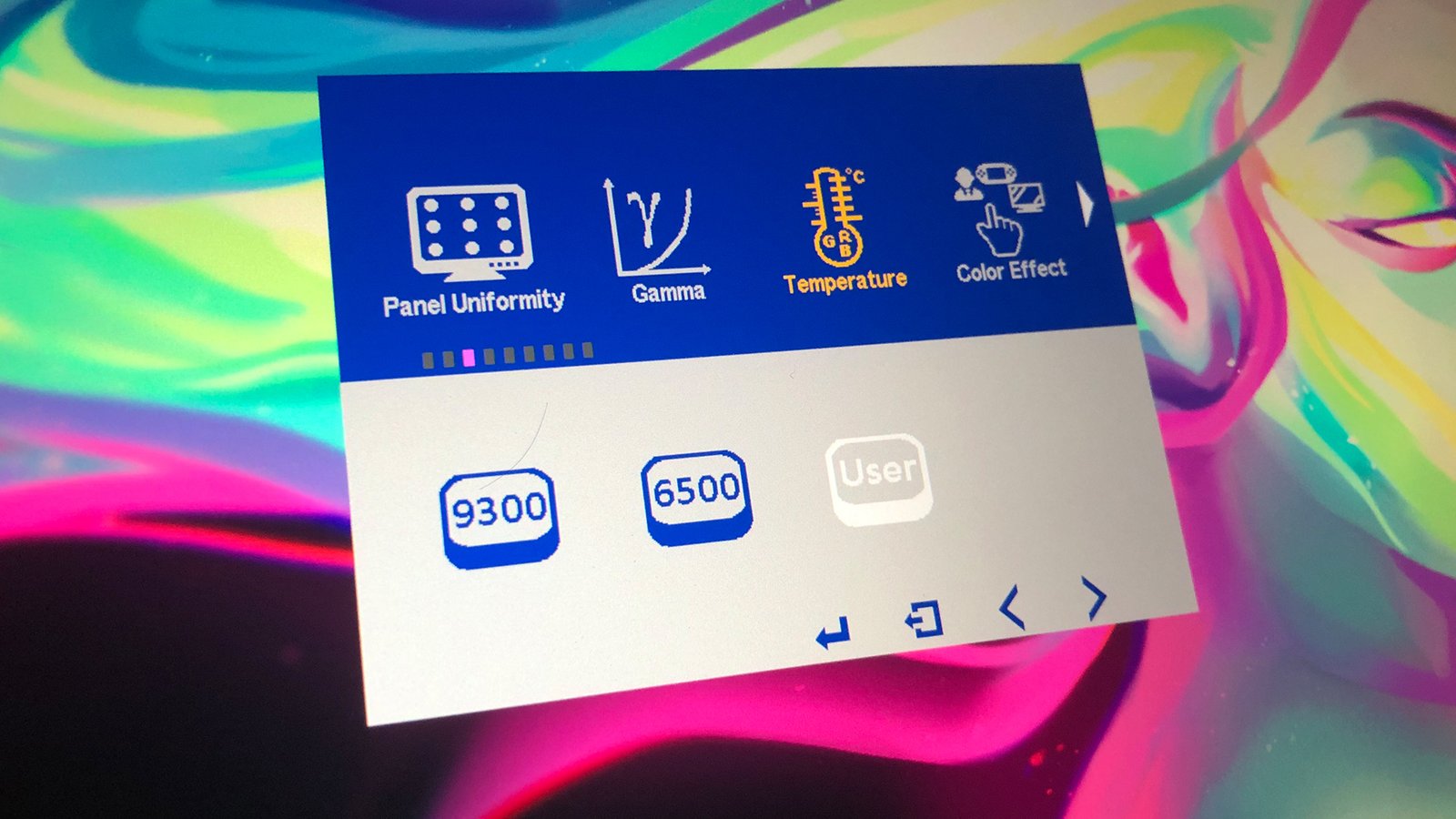 To adjust other display settings, they can be found in the OSD which is a bit tricky to navigate. I recommend setting the color to “User” for more accurate results. I lowered the Blue value to 117 to match my other monitors. I wish this feature was in the software instead of using the buttons to change the values.
Screen Quality
To adjust other display settings, they can be found in the OSD which is a bit tricky to navigate. I recommend setting the color to “User” for more accurate results. I lowered the Blue value to 117 to match my other monitors. I wish this feature was in the software instead of using the buttons to change the values.
Screen Quality
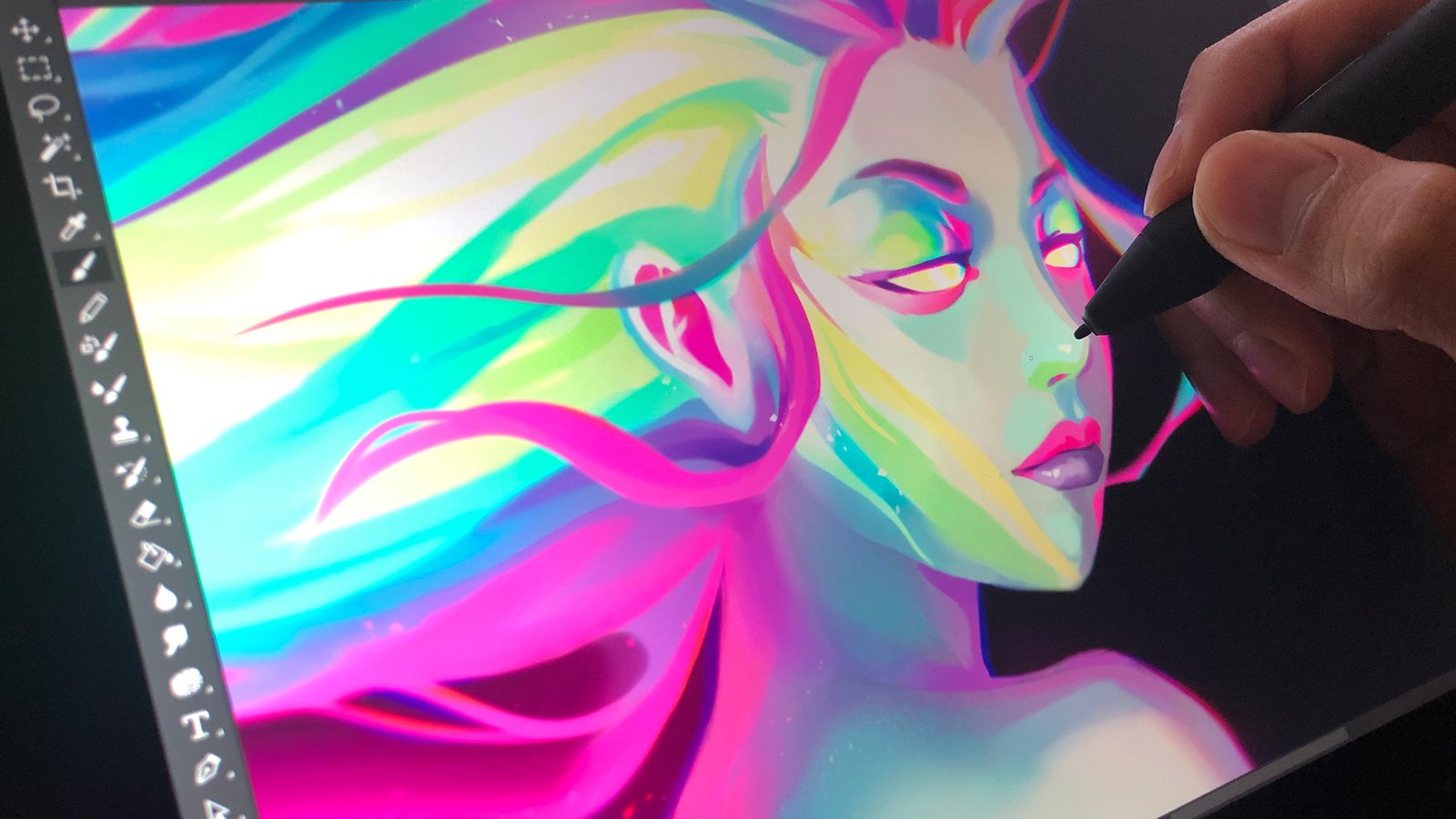 The screen is a full HD (1920 x 1080 pixels) IPS screen with a replaceable anti-glare protective film. The pixel density is sufficient for this size. It gets a bit warm on the area near the sockets.
Colors
The screen is a full HD (1920 x 1080 pixels) IPS screen with a replaceable anti-glare protective film. The pixel density is sufficient for this size. It gets a bit warm on the area near the sockets.
Colors
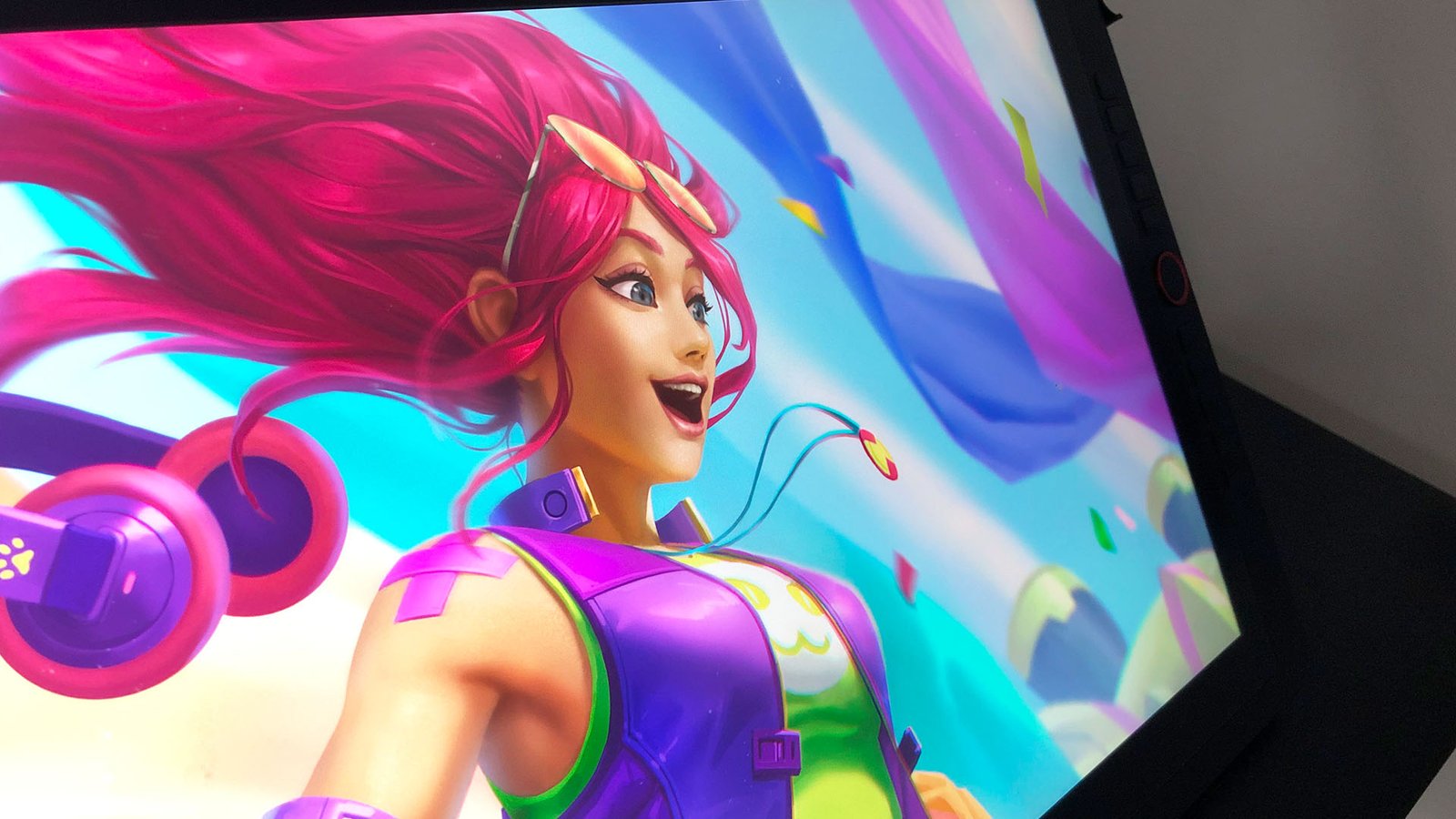
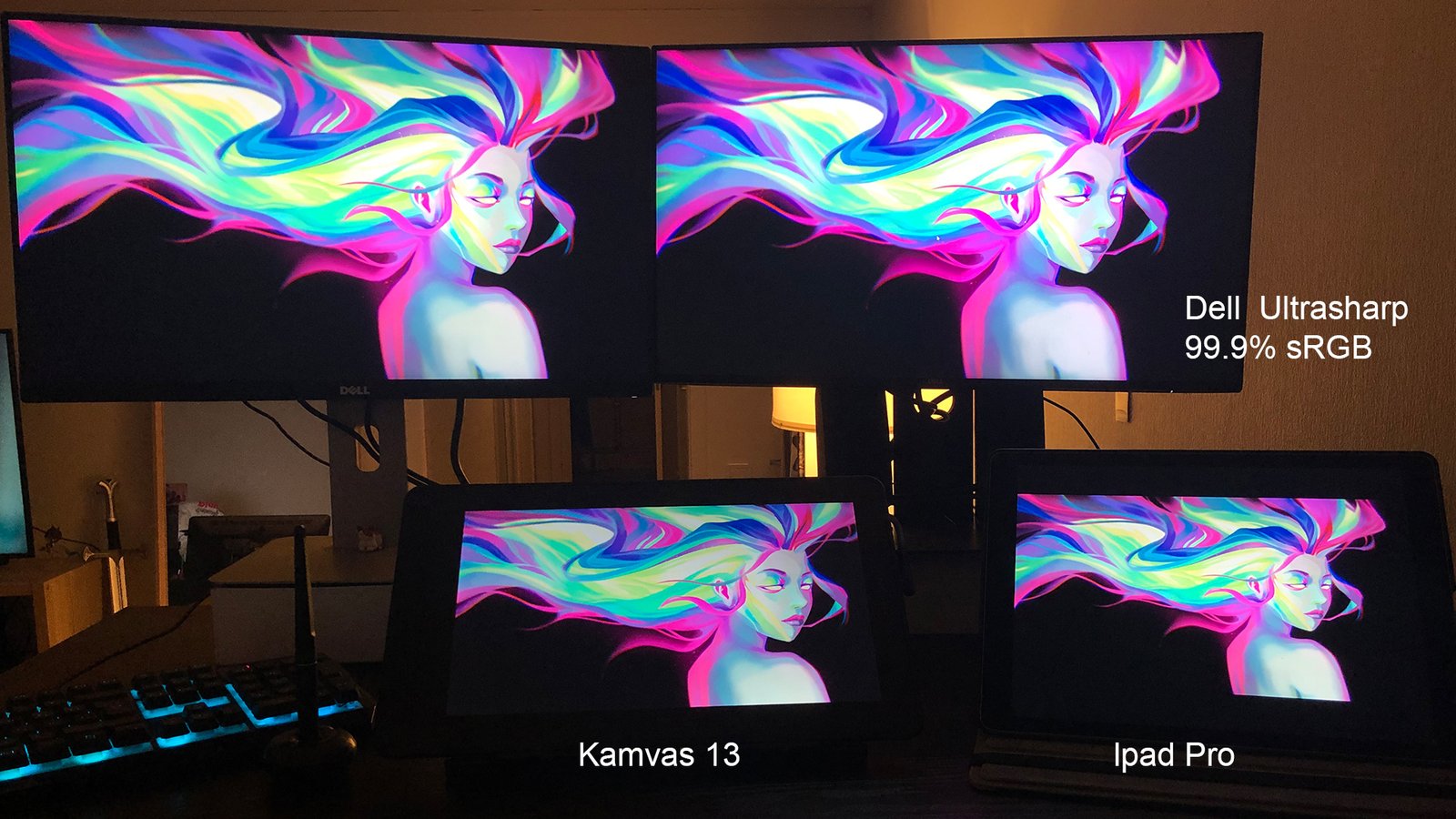 The colors feature 120% sRGB with a 178° viewing angle. After a changing the color temperature to “User” it looked a lot more accurate. It comes very close to my Dell UltraSharp and Ipad Pro screens which are both the top benchmarks for screen colors. I’m impressed something this affordable can reach this quality.
PROS
The colors feature 120% sRGB with a 178° viewing angle. After a changing the color temperature to “User” it looked a lot more accurate. It comes very close to my Dell UltraSharp and Ipad Pro screens which are both the top benchmarks for screen colors. I’m impressed something this affordable can reach this quality.
PROS
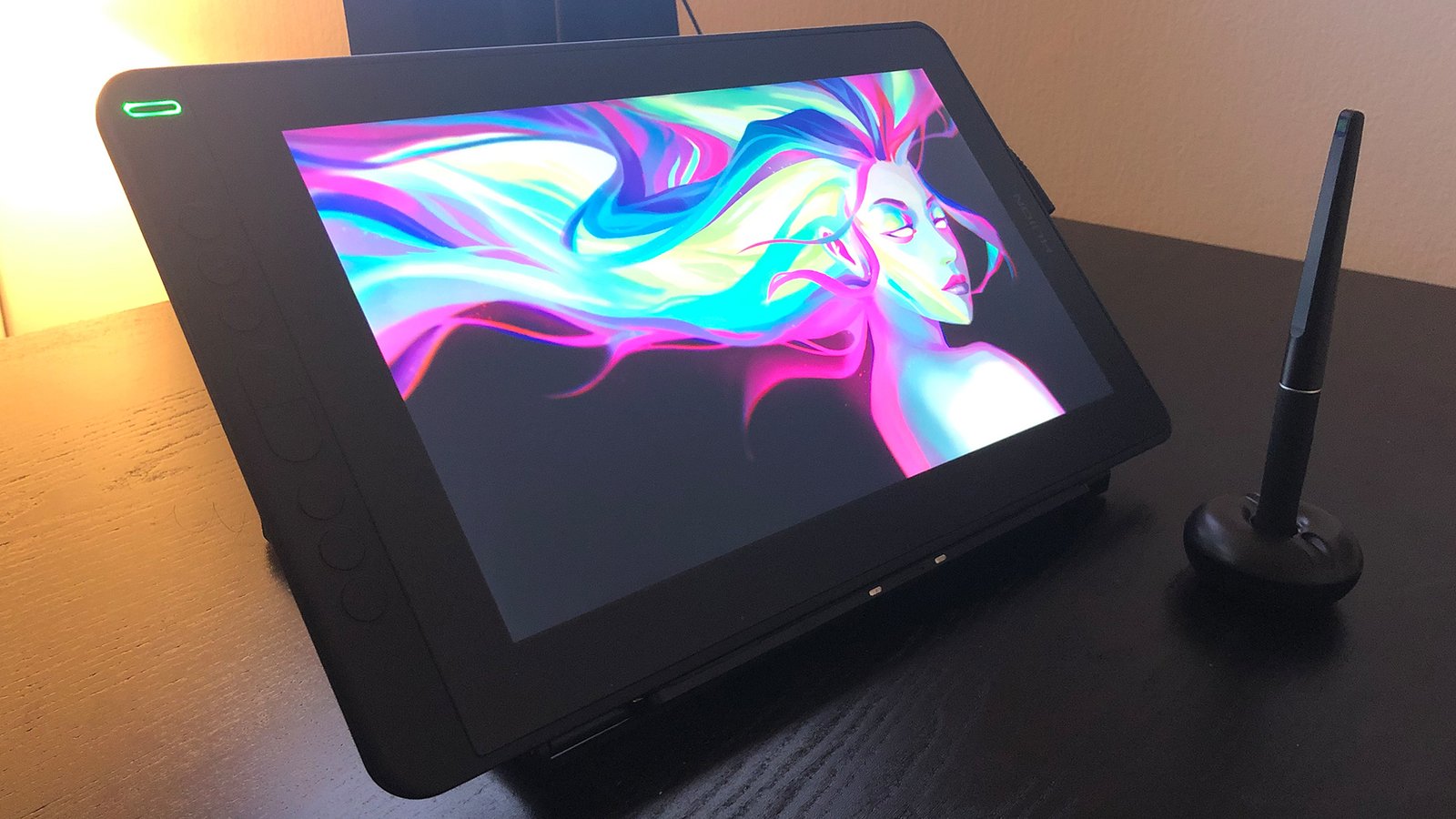 Overall, the Kamvas 13 is a solid device for such an affordable price! Artists these days are very lucky that products like this exist! I highly recommend this product especially to artists with a limited budget and for those who need a mobile display tablet. This is a bit too small for my regular work but this is perfect whenever I need to travel and do art on my laptop.
Check out their link below!
https://store.huion.com/products/kamvas-13
Overall, the Kamvas 13 is a solid device for such an affordable price! Artists these days are very lucky that products like this exist! I highly recommend this product especially to artists with a limited budget and for those who need a mobile display tablet. This is a bit too small for my regular work but this is perfect whenever I need to travel and do art on my laptop.
Check out their link below!
https://store.huion.com/products/kamvas-13